When I look at window treatment kitchen ideas, I start with the things fabric cannot ignore: steam from a stockpot, grease in the air, and sun bouncing off a sink full of dishwater. A kitchen window is not a showroom window. It is a work surface with a view, and the right treatment has to handle cleaning, light, privacy, and daily abuse without looking tired in six months.
A good kitchen treatment should do three jobs at once. It should soften glare at breakfast, give privacy after dark, and survive splashes from a faucet or a little bacon fat in the air. If you are in a cold climate, it should also help tame a draft at the glass without trapping moisture where mildew can start. That is why the fabric, lining, and mounting method matter as much as the style.
Window treatment kitchen ideas for sinks, stoves, and drafts
Touch a sample of cotton next to a sample of solution-dyed polyester and the difference is immediate. Cotton feels natural, but it drinks moisture and wrinkles fast. Polyester feels a little springier, and that is exactly what you want near a kitchen sink. Solution-dyed fibers are colored before the yarn is made, so the color tends to hold up better when sunlight hits the same spot every morning.
For a window over a sink, I like short treatments that do not dangle into the splash zone. Cafe curtains, inside-mounted roller shades, and short Roman shades are the safest bets. Near a range, keep fabric farther from heat and grease than you think you need. Even if the window is not directly over the burner, air moves around a kitchen, and airborne cooking residue will settle on fabric over time. A washable or wipeable surface pays for itself the first time you do not have to dry-clean anything.
The smartest upgrade is often lining. A thin lining changes the hand of the fabric, gives it better body, and slows down sunlight damage. It also keeps a sheer face fabric from looking limp after a few humid summers.
Which fabrics behave best around steam and daylight
Think of a kitchen fabric the way you would think about a shirt you plan to wear while cooking. Linen looks great on day one, but it creases, and every splash writes itself into the cloth. Cotton is easier to live with, especially if it is machine washable, but unlined cotton can fade and sag sooner than most people expect. A polyester blend is usually the practical middle ground: it hangs cleanly, wipes down better, and holds a crease or fold more predictably.
If you want texture, woven wood brings that dry, tactile look people love on Pinterest. It works best with a liner because the weave is open, and open weaves are less forgiving when the sun is low. The same is true of bamboo and grasscloth styles. They are beautiful, but they need a little help if you care about evening privacy or keeping hot afternoon light off the countertops.
For budget, ready-made cafe panels can run from about $20 to $60 a pair. A custom lined Roman shade usually lands somewhere around $200 to $600 per window, depending on size and fabric. That spread makes sense once you feel the samples: the cheaper cloth often has less body, less fade resistance, and a thinner finish on the edges.
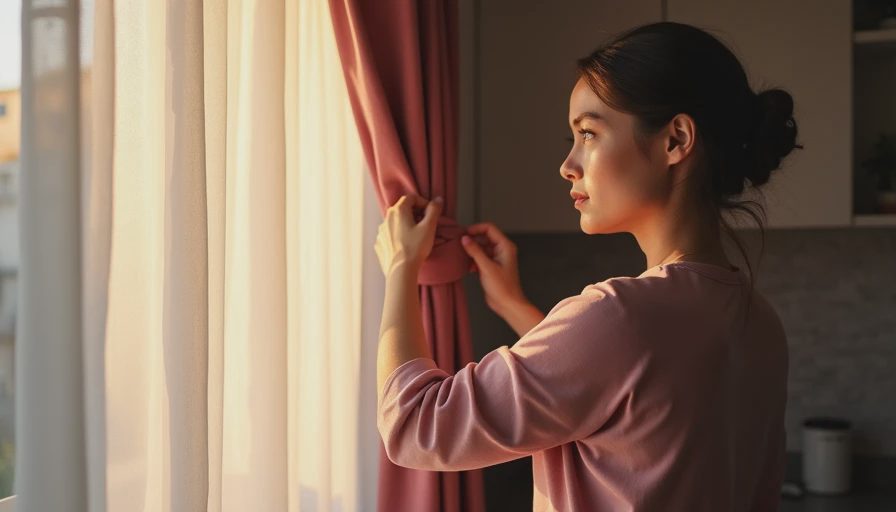
Cafe curtains, Roman shades, rollers, and shutters
Cafe curtains are the easiest way to get softness without covering the whole window. They let daylight in from the top, give privacy where you need it, and look right on older houses with divided-light windows. The drawback is obvious: if you use a loose cotton or linen, they can look sloppy fast unless they are hemmed well and washed with some care.
Roman shades are the workhorse of this group. When they are sewn well, they stack neatly and make a kitchen feel finished without much visual clutter. They do ask for better fabric and more careful measuring, which is why prices move up fast. A good Roman is not just a piece of cloth; it is fabric plus structure plus a lift system that needs to work smoothly every morning.
Roller shades are the most practical when cleanup matters most. They wipe down easily, disappear when open, and can be made from translucent, room-darkening, or vinyl-like materials. Shutters are the most durable of the bunch, especially on a window that takes direct sun, but they add weight and cost. I usually think of them as a long-term architectural choice rather than a casual decor update.
How to measure, line, and clean without regret
The measurement question is simple in the abstract and annoying in real life. Inside-mount shades look crisp, but they need a square opening and enough depth for the hardware. Outside mounts hide crooked trim and make small windows look taller, which can be useful in a cramped kitchen. If your sill gets daily use, leave enough room so the treatment does not land where you set a cutting board or reach for a coffee mug.
Cleaning is where many pretty treatments fail. A fabric that needs dry cleaning twice a year is fine for a dining room, but it gets old quickly above a sink. If you want low friction, choose something you can vacuum with a soft brush, wipe with a barely damp cloth, or toss in the washer on a gentle cycle. Avoid heavy trims, dangling tassels, and oversized puddled panels in kitchens. They collect grease and dust, and they make simple maintenance feel like a project.
A liner helps here too. It protects the face fabric, cuts glare, and keeps the treatment from looking transparent at night. That is a small detail, but in a kitchen it changes how finished the window feels.
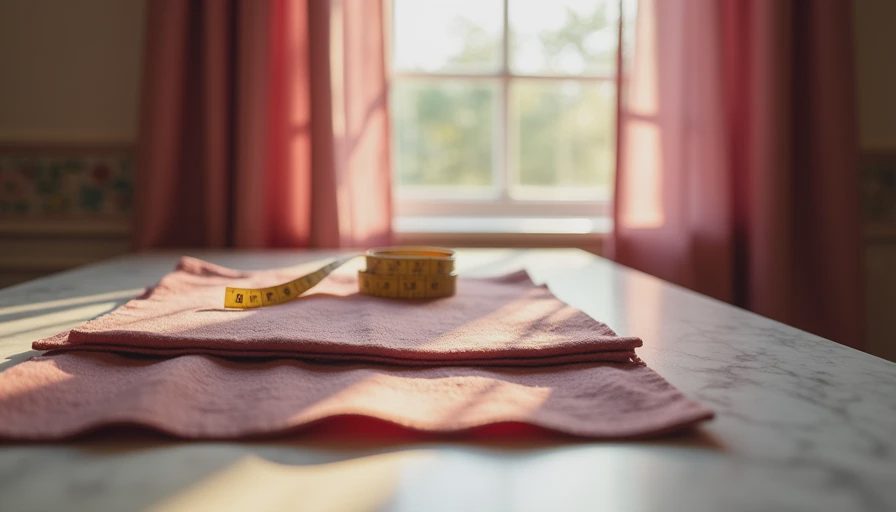
A practical setup for small kitchens, rentals, and old houses
In a rental, I would usually start with a cordless roller shade and, if the room needs more softness, add a simple washable cafe curtain above the sill. That combination is cheap, easy to replace, and forgiving if the window frame is not perfect. In an older house with drafty glass, a lined Roman or a thick fabric panel hung a little above the trim can take the edge off winter light without making the room feel heavy.
If you have a wide kitchen window over the sink, think about how you use the space before you think about style. Do you want full privacy at night, or do you care more about morning brightness? A translucent shade gives you the first layer of privacy, while a lined fabric gives you more control over fading and glare. If your budget is tight, spend more on the lifting mechanism and the cloth weight, then simplify the trim. Those are the parts you live with every day.
If you want window treatment kitchen ideas that feel finished, start with function, then choose the softest fabric you can keep clean. That is the shortest path to a window that looks good in January, not just in a sunny photo.



No letters yet — be the first to write.