When people ask me about custom curtains and drapes, I start with the window, not the style board. Put your hand near the glass on a January morning and you can feel why the details matter. A thin panel may look fine online, but it hangs flat, leaks light, and does little against a drafty double-hung window. A well-built treatment changes the whole experience of a room: softer light, less chill, better proportions, and a finish that reads intentional instead of improvised. That is the real value of custom curtains and drapes. You are not just buying fabric. You are buying width, length, lining, fullness, and the way all of those pieces work together.
The price swing makes sense once you look at construction. A basic polyester fabric might run $12 to $25 per yard and still be perfectly useful in the right room. A woven linen can jump to $45 to $120 per yard because the yarn, weave, and finish are more demanding. Add blackout lining, interlining, or a weighted hem, and the panel starts acting less like decoration and more like a thermal layer. In cold climates, that difference is easy to feel. You may not turn a sunroom into a fortress, but you can cut the edge off the room and make it more comfortable to live in.
What the fabric is doing before the room looks finished
Hold a swatch up to the light and you learn more in five seconds than you do from most product pages. Tight weaves block more glare. Loose weaves breathe more and look softer, but they also let daylight and heat move through more freely. Cotton gives you a familiar, matte hand. Linen wrinkles with character, which some people love and some people hate. Velvet has weight and depth, so it falls in a clean vertical line and eats light instead of scattering it. Polyester is not a villain; the good versions hang well, resist fading, and cost far less than natural fiber cloth.
The other thing to look for is the back of the fabric. If the face is lovely but the reverse looks thin and uneven, the panel may need help from lining or interlining to behave properly at the window. Interlining is a hidden layer between the face fabric and the lining. It adds body, improves drape, and gives you a bit more insulation. That is why a midrange build can outperform a prettier, lighter fabric that costs more by the yard.
Why custom curtains and drapes behave differently from ready-made panels
Ready-made panels are built to fit a shelf, not your window. That means the length is often wrong, the width is usually skimpy, and the hem lands where it lands. Custom curtains and drapes are sized for the opening, the wall space around it, and the stack back when the panels are open. Stack back is simply how much room the fabric takes up when it is gathered to the side. If you want daylight and a clear view, you need enough width so the panels can sit off the glass instead of blocking it.
Fullness matters too. A panel that is too narrow looks tired because the folds are stretched thin. A fuller panel looks richer and hangs better because the fabric has room to fold naturally. In my work, I usually think in terms of two times the measured width for a standard tailored look, and more if the fabric is light or slippery. That is one reason labor matters. You are paying someone to cut, align, hem, and finish a textile so it behaves like a finished object instead of yardage pinned to a rod.
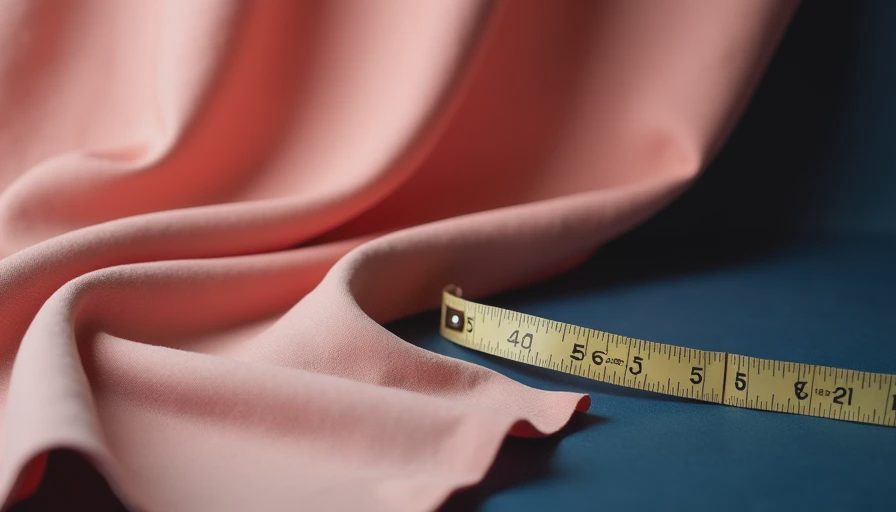
The swatch book tells you more than the showroom does
A showroom under bright retail lights can flatter almost anything. Home is less forgiving. Take the swatch to the actual window and look at it in morning light, noon light, and after dark with lamps on. A taupe that looks calm in the store may turn flat and muddy next to a warm wall. A white that seems crisp may go blue against cool daylight. This is where custom curtains and drapes earn their keep for cautious buyers: you can test the fabric before you commit to yards and labor.
I also tell people to rub the swatch between thumb and forefinger. If it feels dry and crisp, it will usually make sharper folds. If it feels supple and slightly heavy, it will often hang with more authority. Neither is automatically better. A home office may want a lighter cloth that still filters glare. A bedroom in Minneapolis may want a denser face fabric with lining so the room feels quieter and warmer at night.
Where custom curtains and drapes earn their keep
The first place I spend money is on windows that do real work. A street-facing living room needs privacy and daylight control. A bedroom needs darkness and insulation. A drafty dining room with tall trim and old sash windows needs width, height, and a fabric that can span the opening without looking cramped. In those rooms, custom curtains and drapes do more than finish the wall. They solve a practical problem while still looking deliberate.
The second place is any window with awkward proportions. Tall narrow windows, bay windows, and older homes with uneven trim are hard to dress with stock sizes. That is where a custom build saves you from the cheap look of panels that stop too short or puddle in the wrong place. For a clean residential look, I like hem lines that just kiss the floor or break by half an inch. A dramatic puddle can be lovely, but only when the fabric is substantial enough to support it.

What you should pay for first
If your budget is limited, pay for the parts that change the way the treatment performs. Start with fabric quality, then lining, then hardware. A sturdy rod with the right diameter keeps heavy panels from sagging in the middle. Rings or glides make opening and closing smoother, especially on wider spans. A lined panel usually looks better and lasts longer than an unlined one, even before you talk about energy comfort. If you can afford interlining, that is often the upgrade that makes the whole window feel richer and more substantial.
Save your money on novelty details that only matter from six feet away. Decorative trim, elaborate tassels, and overly complicated headers can date fast. Clean construction usually ages better. If you want the room to feel expensive, put the budget into cloth weight, hem finish, and proper dimensions. That is where the eye notices quality.
How I would order them if this were my house
I would measure the window, then measure the wall space I want the fabric to cover, because those are not the same number. I would ask for the finished width, the lining type, the header style, and the exact finished length in writing. I would request swatches in at least two fabric weights, then tape them up for a few days before deciding. If the room gets hard winter sun, I would lean toward a denser weave or a lined, interlined build. If the room is already dark, I would choose a softer cloth and avoid overbuilding it.
That is the simplest way to approach custom curtains and drapes without wasting money. Use the fabric to control light, temperature, and scale, then let the style follow. A good treatment should feel like part of the house, not a separate purchase you keep apologizing for.



No letters yet — be the first to write.