On a January morning in Minneapolis, the difference between a cheap panel and a well-built one shows up fast: the room feels colder near the glass, the fabric hangs limp, and the light looks flat instead of softened. Modern window treatment ideas are not just about a clean silhouette. They have to manage drafts, glare, privacy, and the way cloth behaves when cold air slides down the pane.
Start at the window opening, not the Pinterest board. A double-hung sash with a loose frame leaks more air than people expect, and a panel that stops right at the trim leaves a lot of work undone. I like drapery to extend several inches past the casing on each side and to meet the floor cleanly, because that extra width blocks side light and helps trap a still layer of air. If there is a radiator below, stop the hem high enough to keep heat moving. If there is a supply vent in the floor, do not let puddled fabric sit on top of it.
That is also where the difference between decoration and useful treatment shows up. A flat panel in airy linen can be beautiful, but if the weave is open you will still see the streetlight glow through at night. A tighter weave, or the same face fabric with a lining, changes the result. For bedrooms, blackout lining is the blunt instrument: very good at darkness, less subtle in hand. Thermal lining is softer and often enough for a living room. The basic idea is simple: less light bleed, less chill, and a drape that hangs with more weight.
Why modern window treatment ideas start with performance
In a cold climate, the window treatment has to do two jobs at once. It needs to look intentional when the panels are open, and it needs to slow down heat loss when the panels are closed. A lot of budget curtains fail because they are only one layer of cloth. Two layers, or a layer plus lining, usually behaves better because air gets trapped between the glass and the room. That trapped air is the cheap insulation that fabric can provide.
This is where construction matters as much as fiber. A cotton-polyester blend is often easier to press, less prone to wrinkling, and more forgiving in direct sun than pure cotton. Linen reads relaxed and current, but it is inherently slubbier, meaning the yarn thickness changes a bit along the length, so the surface looks lively rather than perfectly smooth. Velvet gives you a denser surface and a richer shadow line, which is why it feels more substantial in a north-facing room. Wool blends are excellent when you want body and warmth, though they usually cost more.
If you are shopping mainstream, IKEA is a decent place to test basic lined panels without spending much, while The Shade Store is known for custom work and Hunter Douglas is a familiar name in cellular shades. Cellular shades are not drapery, but their honeycomb pockets are one of the smartest ways to improve insulation at a window. In a bedroom, I often pair a shade for function with a simple panel for softness. That combination keeps the room from looking like an office.
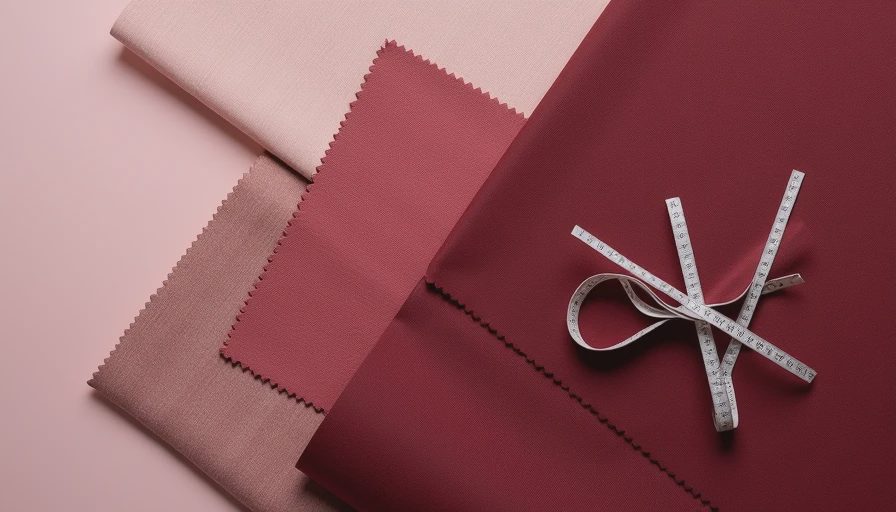
Fabrics that earn their keep in winter
Touch the edge of a fabric and you can usually tell whether it will feel crisp, limp, or heavy. Crisp fabrics like unlined cotton or polyester sateen snap back quickly and can look neat in a guest room, but they do not always read rich. A heavier linen blend drapes in softer folds and catches light in a more interesting way, especially if the weave is tight enough that you can only barely see through it. That is the sweet spot for many living rooms.
Velvet is worth considering if your room feels drafty and you want a visual sense of warmth. The short pile, which is the raised surface made by cut yarns, absorbs light and makes the panel look deeper in color. It also hangs with a little more gravity, which helps tall windows. Real wool drapery has a similar presence, though you do not need a full wool curtain to get the effect; a wool-poly blend can deliver most of the hand and a more manageable price. A pair of lined ready-made panels might run $60 to $180 per window, while custom linen or wool drapery can land anywhere from $400 to $1,200 once you add hardware and lining.
If you want modern window treatment ideas that still feel calm rather than fussy, avoid overly shiny fabrics and fussy trims. Matte surfaces age better in daylight. So do colors pulled from the room itself: warm white, oat, stone, tobacco, muted olive, charcoal. The fabric should look like it belongs to the architecture, not like it was pasted on top of it.
Hardware, lining, and mounting details that make the room
The cleanest window often comes down to things nobody photographs. A pinch pleat is a sewn top heading that creates permanent folds; it looks tailored and opens neatly on rings or a traverse rod. A ripple fold is the softer, wave-like version used on tracks, and it reads very current without looking trendy. Both are better than a floppy rod pocket when you want repeated, even folds. On a big window, the hardware itself should be sturdy enough that the fabric glides instead of catching.
A lining can change the whole feel of a panel. Blackout lining gives maximum darkness, which is useful in a nursery or a south-facing bedroom, but it can make lighter fabrics look stiffer. Thermal or interlining adds a hidden middle layer that improves body and insulation without making the face fabric look like a tarp. Interlining, for readers who have not run into the term, is simply a layer sandwiched between the outer fabric and the lining. It is one of the oldest tricks in good drapery because it adds fullness without adding visual clutter. That is the kind of detail that separates modern window treatment ideas from quick fixes.
Mounting height matters too. Hang the rod higher than the window trim if you want the room to feel taller, and let the panels stack well clear of the glass so the daylight can enter when you want it. If the goal is real privacy at night, extend the rod wide enough that the closed panels overlap the frame. That overlap is free performance, and it costs less than buying a thicker fabric.

A budget plan that keeps the look polished
The fastest way to overspend is to buy the prettiest fabric before you solve the problem. Measure first, then decide whether you need darkness, insulation, softness, or all three. For a rental, a good cellular shade plus an inexpensive pair of lined panels can do a lot of work without requiring custom sewing. For a homeowner with original windows, I would rather spend on proper lining, better fullness, and solid hardware than on a premium face fabric with flimsy construction.
A practical split looks like this: budget panels in the $20 to $50 range can be fine for a guest room, mid-range lined panels often make sense around $60 to $150, and custom work becomes worth the money when your windows are oversized, oddly shaped, or very visible from the street. At that point, the fabric is only part of the product. The fullness, lining, and installation matter just as much. If you are comparing options, ask yourself whether the treatment solves the cold spot at the glass, darkens the room at night, and still looks good open at noon.
The best modern window treatment ideas are the ones that make a room feel finished without making it feel sealed off. When the cloth has enough weight, the lining is doing its job, and the hardware disappears, the window stops being a problem and starts acting like part of the architecture.



No letters yet — be the first to write.