A cold window feels different from a warm wall. Put your hand near the glass in January and you can tell right away whether you need more than a pretty panel. Living room window treatment ideas should solve three jobs at once: soften daylight, keep sightlines clean, and cut the draft you feel at sofa height. In Minneapolis, I look at the glass first and the fabric second. A thin unlined panel can look lovely, but if the room is bright at 3 p.m. and chilly at night, it is not doing enough work.
Start with the window, not the catalog
The first mistake people make is shopping by style name instead of by window shape. Measure the full opening, then decide whether the treatment should cover just the glass or extend past the trim. For most living rooms, I like the rod mounted 4 to 6 inches above the frame and extended several inches past each side. That extra width lets the curtain stack off the glass, which means more daylight when the panels are open and better coverage when they are closed.
Think about what sits under the window too. A radiator, baseboard heater, or deep sill changes the rules. A floor-length panel that brushes a heat source will look elegant for a week and then gather dust, buckle, or block airflow. If the window is short, hanging the rod higher can make the whole wall feel taller. If the window is already tall, keep the proportions calm and let the fabric do the talking.
Living room window treatment ideas that fit the fabric, not just the photo
This is where the swatch matters. Hold linen up to the light and you will see that open weave breathe right through it; that makes it beautiful, but it also means more glow and less insulation. Cotton is a little tighter and usually cheaper, though it can wrinkle and fade faster if the sun hits hard all afternoon. Polyester is often overlooked because it does not sound glamorous, yet a good woven polyester can hang cleanly, resist shrinking, and cost far less than natural fiber yardage.
If you want softness and better light blocking, lined drapery is the step up worth paying for. A privacy lining quiets the view from outside without turning the room dark. A blackout lining does more, but it is usually better for media rooms than for a space where you still want daylight. Interlining, which is a layer between the face fabric and the lining, adds body and insulation. It is the difference between cloth that flutters and cloth that hangs like it means business.
For budget, ready-made panels from places like IKEA, West Elm, or Target can work when the windows are standard and the style is simple. Custom work from a local workroom or a retailer like The Shade Store costs more, often several hundred dollars per window, but you get better length, better fullness, and a fit that does not look borrowed.

Layering gives you control hour by hour
Among living room window treatment ideas, layering is the easiest way to make one window do two jobs. A sheer underlayer softens the view in daytime, while the outer drape or shade handles privacy and evening darkness. In a cold climate, that second layer also creates a pocket of still air near the glass, which helps the room feel less drafty without making it look heavy.
A simple combo works well: a woven shade or roller shade close to the glass, then side panels for softness and scale. If the room gets strong west light, a lined panel with a shade behind it gives you more control than a single curtain alone. If you care about the view, choose a lighter fabric with enough body to hang straight rather than a limp textile that twists in the stack.
Hardware matters here. A traverse rod glides the curtain open and closed along the track; rings on a decorative rod look friendlier but need enough clearance so the fabric does not scrape the wall. When the stack is too shallow, the curtain sits on the glass and blocks the very light you were trying to save.
Match the treatment to the room, not to a trend
South-facing living rooms ask for glare control first. In those rooms, a roman shade with side panels or a lined drape with a tighter weave can keep the television watchable without turning afternoon into dusk. North-facing rooms are a different animal. They often need warmth and visual weight more than blackout. A textured linen blend, a wool blend, or a softly lined cotton panel can add depth without making the space feel gloomy.
Bay windows and wide picture windows need restraint. Too many seams or too much bunching makes the architecture look busy. On a bay, I usually prefer individual panels or fitted shades so the angles stay readable. On a wide picture window, long panels that kiss the floor give you vertical lines and help the wall feel less broken up. If the room has tall ceilings, hang high and keep the hems consistent; if the ceiling is low, avoid a heavy puddle of fabric that eats visual height.
What to spend on and what to skip
This is the part most people get backward. Spend on the cloth, the lining, and the length. Skip the urge to buy a flimsy rod and hope nobody notices. A good rod, brackets with enough support, and properly weighted hems keep the panels from bowing in the middle. That matters more than decorative finials when the room is cold and the fabric is carrying real weight.
If you are deciding between a cheaper fabric and a better construction, I usually favor the better construction. A midpriced polyester with a proper lining will outperform a lovely but thin fabric every time. If you have odd-sized windows, a street-facing room, or a living room that doubles as a TV space, custom is easier to justify. If your windows are standard and you are patient with sizing, ready-made panels plus a good tailor can still look sharp.
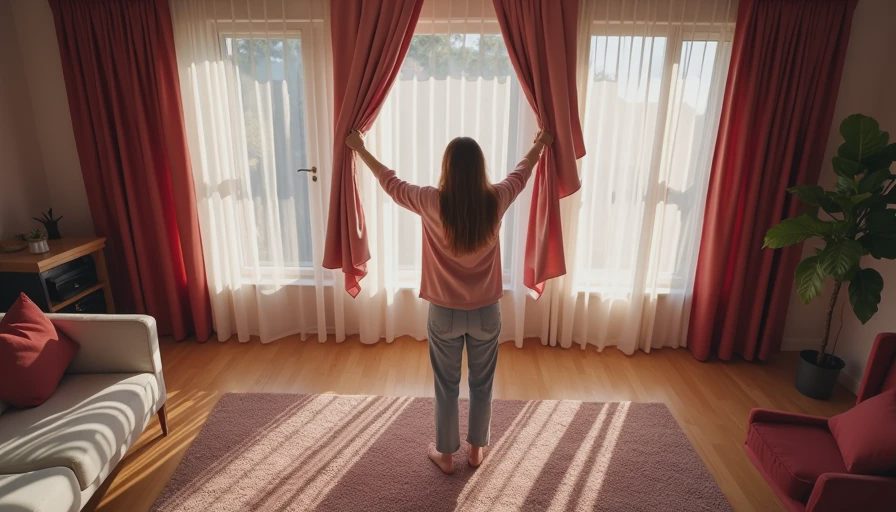
A simple buying path that keeps you from overbuying
Start by writing down the job the window has to do: block glare, soften a view, reduce drafts, or all three. Then measure the glass, the trim, and the wall space around it. Order swatches and tape them to the window at different times of day. Morning light and late-afternoon sun will tell you more than a product photo ever will.
Once you like a fabric, decide on the hanging style. Pinch pleat gives a more tailored look. Ripple fold reads modern and glides smoothly. Grommets are easy, but they look casual and usually need more width to feel full. If you are comparing living room window treatment ideas, the smartest move is to narrow your choices to two fabrics, one lining, and one mounting height, then ask for quotes before you buy the first thing that catches your eye.
That is how you get a room that looks finished in summer and still feels sensible in January.



No letters yet — be the first to write.