The first thing I notice in a room is not the print or the color. It is how the fabric moves, how much light slips through it, and whether the edge near the glass feels thin enough to leak heat. That is why window treatment ideas matter so much in Minneapolis, where a pretty panel that does nothing for a draft is basically wall art with a hem. The best choices solve more than one problem: they soften glare, protect privacy, and create a pocket of still air that helps a room feel warmer without turning it into a cave.
Start with what the window has to do
When people ask me for window treatment ideas that actually improve comfort, I start with the job list. Is the room too bright at 7 a.m.? Do you need nighttime privacy from the house across the alley? Is the radiator under the sill pushing hot air into thin glass? Once you answer those questions, the fabric choices get easier.
A plain unlined linen panel can look beautiful, especially in summer, but it lets a lot of light through and does little against winter chill. A cotton drapery with a thermal lining behaves differently. The face fabric gives you the look, while the lining adds body and blocks more light. Expect a lined custom drape to cost more than a bare panel, often in the $250 to $600 per window range for simple work, and much more if you move into premium wool, velvet, or labor-heavy tailoring. The money goes into weight, fullness, and the way the cloth hangs straight instead of fluttering like a sheet.
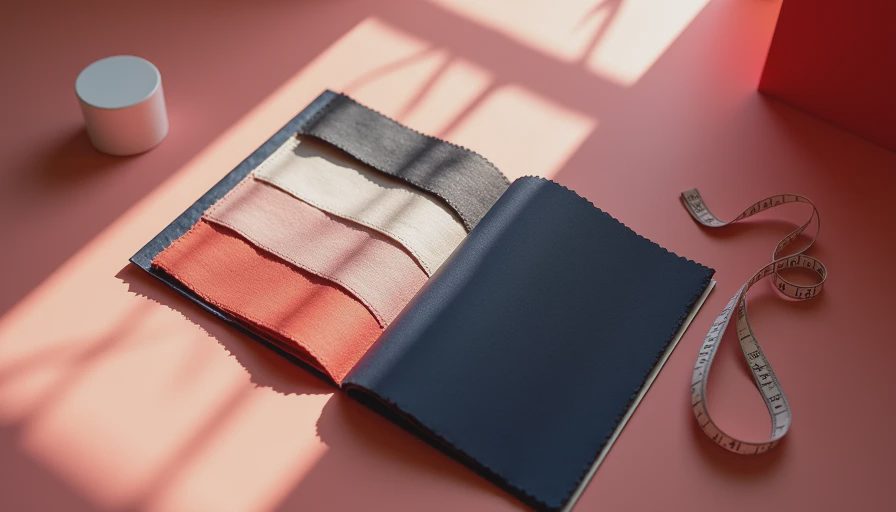
If you want a quick test, hold a swatch up to a bright window. Thin fabric glows; denser fabric shades. That little test tells you a lot more than a styled photo on a retail site.

The fabric choices that earn their keep
Among the most useful window treatment ideas, the ones I keep returning to are lined cotton, wool blends, velvet, and layered systems. Cotton is the safest all-around choice because it is stable, easy to sew, and easy to live with. Look for a medium-weight weave and a lining, because the lining is what gives the panel structure. Polyester is not glamorous, but a good polyester face with a quality lining can be a very practical buy for rentals or family rooms where durability matters more than romance.
Velvet is the heavyweight boxer here. It absorbs light, feels substantial in winter, and makes a room quieter by taking some edge off reflected sound. It is also easier to overdo. If the room is already dark or small, velvet can feel oppressive unless the rest of the palette is light. Wool blends are my personal favorite in old houses because they have a dry, steady hand and they hang with authority. A wool drape often costs more than cotton, but in a drafty room the added body is not just decorative. It changes the way the room feels at 10 p.m. in January.
Linen sits on the opposite end of the spectrum. It breathes, it wrinkles, and it gives a room an easy look. If you love linen, pair it with a shade or a liner. On its own, it is usually more about atmosphere than performance.
Hanging matters as much as the cloth
The smartest window treatment ideas fail when the hardware is wrong. A rod mounted too low makes the window look shorter and lets more light leak around the top edge. I usually like the rod 4 to 6 inches above the trim, and I extend it 8 to 12 inches past each side when the wall space allows. That lets the panels clear the glass when open instead of stealing daylight from the edge of the window.
Fullness matters too. If a panel is too narrow, it looks flat and cheap. A good rule is 2 to 2.5 times the width of the window opening, depending on how tailored you want the result to feel. That extra width is what creates folds, and folds are what make fabric look rich instead of stretched thin. On a traverse rod, the glide is smoother when the header is properly sewn and the panel is not fighting the hardware.
For energy performance, keep the fabric close enough to the wall to reduce air movement, but not so tight that it rubs the glass or radiator. In a cold room, that still pocket of air is doing real work.
Room by room, the answer changes
My favorite window treatment ideas for bedrooms usually lean toward blackout lining, a heavier face fabric, or a layered setup with a shade behind drapery. If you sleep late, shift work, or simply hate dawn light in January, this is where spending a little more pays off every single day. In a living room, I often prefer a lighter face fabric with a privacy lining so the room stays bright but does not feel exposed after dark.
For kitchens, moisture and grease matter more than velvet and drama. A washable cotton or a simple shade is usually smarter. For a front room in an older house, layering is often the sweet spot: a Roman shade for daily control, then side panels for softness and extra insulation. That combination gives you flexibility without forcing one fabric to do everything.
If you live in a rental, start small. Tension rods, outside-mounted shades, and ready-made panels can still improve comfort if you choose the right fabric and length. Floor-length panels that just kiss the floor tend to look more finished than short ones that hover awkwardly above it.
A short checklist before you buy
If you are narrowing window treatment ideas down to one purchase, measure the glass, the trim, the depth of the casing, and the distance to any radiator or baseboard heat. Then decide what you cannot compromise on: darkness, privacy, insulation, or easy washing. That order matters because every fabric is a tradeoff.
Ask for swatches and handle them in daylight. Bend them, bunch them in your hand, and hold them up near the window. A good fabric has enough body to recover after you crush it. A weak one looks fine on a screen and limp in your house. If you are ordering custom work, ask what lining is included, what hemming method they use, and whether the workroom can add interlining if the room needs more insulation. Interlining is a soft layer between the face fabric and lining, and it adds thickness, body, and warmth.
The right answer is rarely the fanciest one. It is the one that fits the room, the climate, and the way you actually live. That is the real promise behind window treatment ideas: not just a prettier window, but a better room.


No letters yet — be the first to write.