Plantation shutters are often sold as a timeless design choice, but their real value is measurable in the hand: the weight of the louvers, the smoothness of the tilt mechanism, and the amount of winter light that slips around the frame. I look at them as a window system, not simply a decorative covering. In a cold climate such as Minneapolis, the material and installation details affect comfort, glare, privacy, and how hard your heating system works.
What plantation shutters actually do
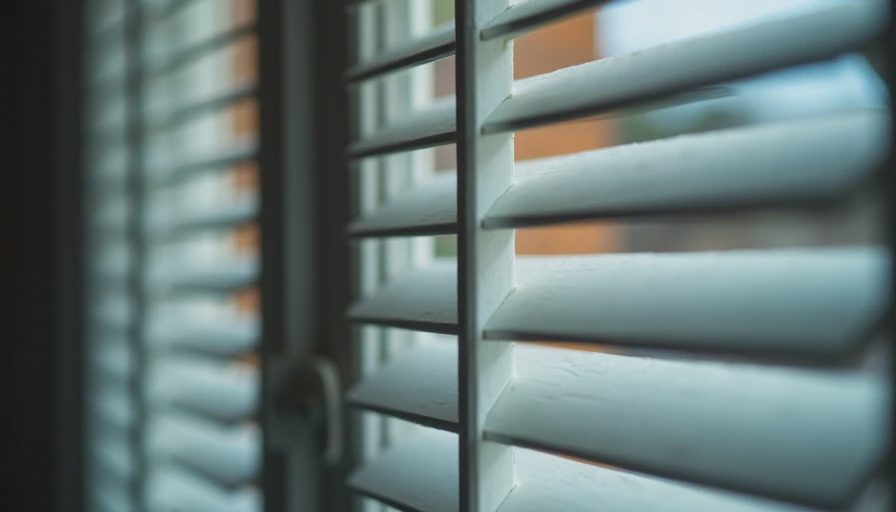
Run your fingers across a painted wood louver and then a hollow vinyl one. The wood feels warmer, denser, and slightly more substantial. Vinyl feels cooler and lighter. That difference reflects construction, not just price. Plantation shutters use wide horizontal louvers, commonly between 2.5 and 4.5 inches, mounted inside a frame. You rotate the louvers to redirect daylight, block direct glare, or close them for privacy.
Unlike fabric curtains, plantation shutters do not depend on a soft fold to cover the glass. Their performance comes from the frame, the louver overlap, and how tightly the unit fits the opening. A good frame reduces side gaps, while overlapping louvers limit the thin lines of light visible when the panels are closed. They also let you make a precise adjustment: tilt the louvers upward for reflected daylight or downward to shield a sofa from afternoon sun.
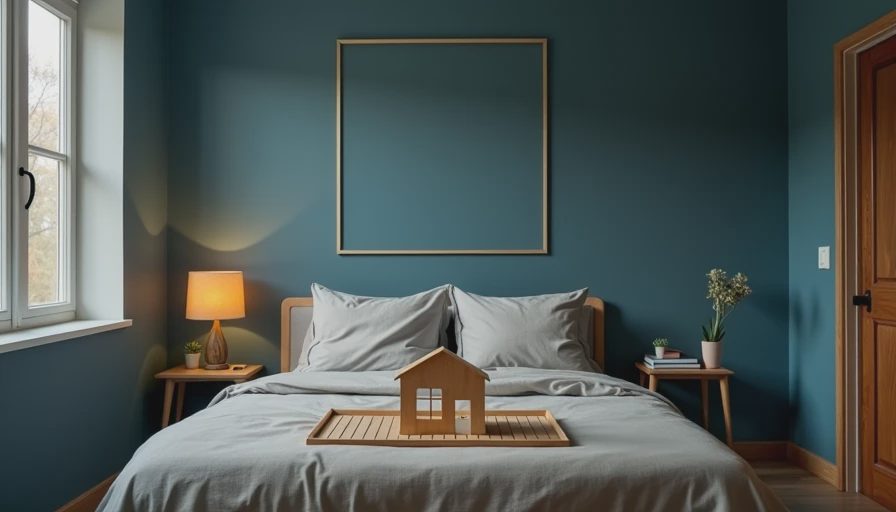
This precision is useful in rooms with televisions, home offices, or south-facing windows. It is less useful if you want a room to become completely dark. Even well-made plantation shutters can allow small traces of light at the frame and between moving components. For a bedroom, I often pair them with lined drapery rather than pretending the shutter alone is a blackout treatment.
Wood, composite, or vinyl: feel the construction
Real wood is the most tactile option. Basswood is common because it is relatively light, stable, and easy to machine into clean louvers. Poplar is also used, especially for painted finishes. Wood accepts stain and paint beautifully, and its natural variation gives a large window a furniture-like quality. The tradeoff is care: prolonged moisture, rapid temperature changes, or a poor seal can cause movement over time.
Composite plantation shutters usually combine engineered wood fibers, synthetic polymers, or a coated wood product. The exact formula matters, so ask what is inside rather than accepting “composite” as a complete specification. A dense engineered product can resist warping better than inexpensive natural wood and often costs less. It may also be heavier, which means hinges and the mounting frame deserve attention on wide panels.
Vinyl is practical in bathrooms, laundry rooms, and rental properties. It handles humidity well and is easy to wipe clean, but hollow vinyl louvers can feel less refined and may flex when you press them. Solid polymer versions are more durable but can cost as much as entry-level wood. In a kitchen near a sink, I would prioritize moisture resistance over a beautiful stain that requires careful maintenance.
Price commonly ranges from roughly $20 to $45 per square foot for many custom wood or composite installations, with premium hardwood and complex shapes going higher. Measure the whole window, including trim and depth, before comparing quotes. A low quote based only on glass size is not equivalent to a fully framed installation.
How shutters affect cold windows
Touch the glass on a January morning and then touch the wall beside it. The glass is colder because it loses heat faster. Plantation shutters cannot turn an old single-pane window into an insulated unit, but a close-fitting frame and sealed louvers can reduce moving air near the opening. The result is usually a more comfortable perimeter, not a dramatic replacement for storm windows or air sealing.
The best improvement comes from installation. If the window has a noticeable draft, seal the gap around the casing first. A shutter mounted over a leaky frame hides the symptom while leaving the heat-loss path intact. For older double-hung windows, I also inspect the meeting rail and pulley pockets before ordering. A cellular shade behind the shutter can add another layer of insulation, although the combination increases depth and may require an outside mount.
Plantation shutters also help with solar heat. On a sunny winter day, open louvers can admit useful warmth; on a summer afternoon, closing them reduces direct radiation. This is where their adjustability beats a permanently closed insulated shade. Still, the effect depends on orientation, glass, air leakage, and the size of the opening. Think of the shutter as one part of a window strategy.
Light, privacy, and room-by-room choices
A 3.5-inch louver is a versatile middle ground. It gives a fairly open view when tilted, gathers less visual clutter than a narrow louver, and suits many traditional and modern interiors. Four-and-a-half-inch louvers create a cleaner, more open look but need enough depth to operate comfortably. Small 2.5-inch louvers can work well on narrow windows, though they create more horizontal lines.
For a street-facing living room, set the louvers slightly upward. You keep daylight near the ceiling while limiting the view into the room from outside. In a bedroom, a smaller louver or a second lined curtain may provide better privacy after dark. In a bathroom, use a moisture-resistant material and leave enough ventilation around the window to prevent condensation from lingering.
Sliding doors require special planning. Panels can be heavy, and a hinged design may interfere with furniture or the door handle. A bypass track or a combination of fixed and moving panels can be more practical. Ask to see the operating hardware, not just a color sample. A beautiful finish cannot compensate for a panel that is awkward to open every morning.
Where plantation shutters are worth the money
Spend first on accurate measuring, a rigid frame, and reliable hinges. Those details determine whether the unit feels solid five years from now. Spend next on the material appropriate to the room. Premium wood is worthwhile in a formal dining room where its grain and finish are visible; moisture-resistant composite is often the smarter buy in a humid space.
I would not pay extra for an elaborate finish that sits behind a sofa or receives little daylight. I would pay for a split tilt when upper and lower louvers need separate control, especially on a street-level window. I would also ask about paint durability, cleaning instructions, warranty coverage, and whether replacement louvers or hardware are available.
Compare at least three written quotes. Confirm whether each includes measurement, delivery, installation, removal of old coverings, and trim repair. Some installers price by window; others price by square foot. A $1,200 quote and a $1,700 quote may represent different frame quality or service, not simply a sales markup.
A sensible buying sequence
Start by listing the problem in each room: glare, privacy, drafts, moisture, or appearance. Then measure the opening in several places because older walls and windows are rarely perfectly square. Photograph the trim, radiator, handles, and nearby furniture. Those details reveal clearance problems before a salesperson arrives.
Request physical samples and examine them beside the glass in morning and afternoon light. Look at the back of the sample too; some finishes are more reflective than expected. Operate a full-size display if possible. Check whether the louvers close evenly, whether the tilt bar feels loose, and whether the frame sits flat.
Finally, choose installation timing carefully. In a cold climate, measuring in winter can reveal drafts and condensation that summer hides. Once installed, dust with a soft brush or dry microfiber cloth and wipe spills promptly. Avoid soaking wood. With the right material, careful fitting, and realistic expectations, plantation shutters can provide durable light control while giving a cold, draft-prone window a more finished and comfortable presence.


No letters yet — be the first to write.