When learning how to measure for curtains, the tape measure is only half the job. You also need to decide whether the fabric will sit inside the window frame or extend beyond it, how full the panels should look, and where the rod will hang. A lightweight cotton voile and a dense wool-blend drape do not behave the same way, even when they cover identical glass. Measure the window first, then measure for the finished curtain as a separate design decision.
I start with a steel tape, a pencil, and a small notebook. Avoid a soft sewing tape for wide windows because it can sag and give you a falsely generous measurement. Record every dimension to the nearest eighth of an inch, and measure each window independently. Older homes, including my 1920s Minneapolis bungalow, often have openings that differ by half an inch or more.
Decide where the rod will go
Before considering how to measure for curtains, choose the rod position. An inside mount places the rod within the window recess. It gives a neat, fitted appearance, but it leaves more glass edges exposed and offers less room for overlap. An outside mount places the rod above and beyond the frame. This usually makes the window look larger and gives the panels space to stack away from the glass.
For an outside mount, a practical starting point is 4 to 6 inches above the frame and 3 to 8 inches beyond each side. Go higher if you want a taller architectural effect, but check for crown molding, trim, cabinets, and radiator placement first. In a cold climate, extending the curtain beyond the frame can reduce side drafts and light leakage. Do not hang a full-length panel directly over a steam radiator; trapped heat can damage fabric and waste energy.
Hold a ruler against the wall and imagine the rod in place. If the bracket will land over drywall, locate a stud or use an appropriately rated anchor. A beautiful measurement is not useful if the hardware pulls out after the first heavy winter drape is opened.
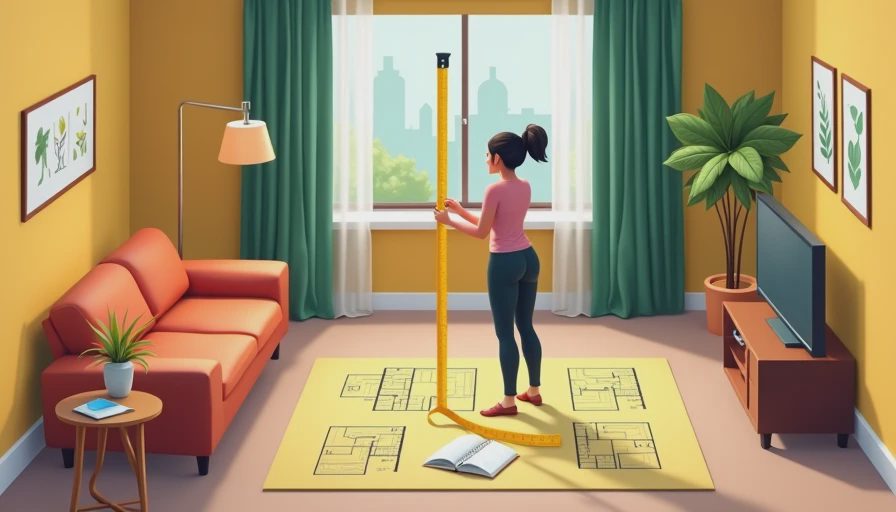
Measure curtain width correctly
Width is where many disappointing installations begin. Measure the rod length, not merely the window glass. If you have not purchased hardware, calculate the desired rod span from the frame width plus your planned side extension. Then add the return space, which is the short distance from the rod to the wall, if you want the panels to block more light at the edges.
When deciding how to measure for curtains by width, separate coverage from fullness. Coverage is the area the closed panels need to cover. Fullness is the extra fabric gathered across the rod so the curtain looks substantial rather than stretched flat. For a relaxed cotton or linen-look fabric, use about 1.5 to 2 times the rod width. For a medium-weight lined drape, 2 to 2.5 times usually creates a richer fold. Sheer fabric often looks best at 2.5 to 3 times the width because its transparent weave needs more layers to appear substantial.
For example, a 72-inch rod with 2 times fullness requires 144 inches of total fabric width. With two equal panels, each finished panel should be 72 inches wide. Ready-made panels may list a flat width, while custom workrooms may quote finished width, so confirm which number you are buying. A 50-inch panel is not enough for a 72-inch rod simply because two panels equal 100 inches; the result will cover the window but look skimpy when closed.
Measure the finished length
Length depends on the heading and the visual finish. Measure from the point where the fabric will actually begin, such as the top of the rod, the bottom of rings, or the inside of a rod pocket. Do not measure from the ceiling unless the curtain will truly start there.
For curtains that skim the floor, measure to the floor and subtract about half an inch. For a slight break, add 1 to 2 inches, although this collects dust and is less practical in busy rooms. A puddled hem can require 6 to 12 extra inches, but I rarely recommend it near radiators, pets, or entry doors. In a bedroom with uneven flooring, measure at the left, center, and right. Use the shortest measurement for a clean skim, or plan a hem adjustment after hanging.
If you are learning how to measure for curtains with grommets, remember that the fabric begins several inches below the top edge. The grommet center usually sits about 1.5 inches below the fabric top, so the visible curtain length is not the same as the overall panel length. Rod-pocket panels behave differently again: the pocket can consume 1 to 3 inches of height and may create a less controlled wave.
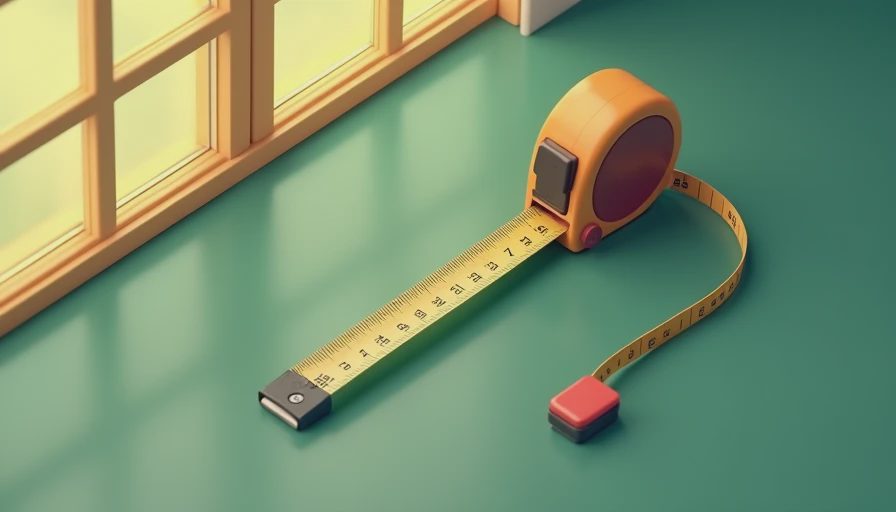
Account for fabric behavior
Touch the fabric before committing to a measurement. A crisp polyester blend holds a firm fold and may stack compactly. Washed linen feels dry and irregular, stretches slightly with humidity, and often needs a generous hem. A brushed velvet has a dense surface, changes color when you rub the pile in different directions, and can become extremely heavy once lined. That weight affects the rod, brackets, and ease of operation.
Patterned fabric adds another measurement issue. A vertical repeat is the distance before the design begins again. If the repeat is 18 inches, matching two panels can require additional material, especially with a large floral or stripe. Ask for the fabric width and repeat before ordering. The usable width may be narrower than the advertised width because the selvedges, or finished fabric edges, may need trimming.
Lining also changes performance. A standard lining softens light and protects the face fabric. A blackout lining blocks substantially more light, while an interlining adds a soft insulating layer between face fabric and lining. In a drafty northern room, that extra layer can make the panel feel warmer near the window, but it also increases weight and stacking space.
A reliable measuring routine
The simplest way to measure for curtains is to write the project in this order: mounting position, rod width, desired fullness, finished length, heading style, lining, and pattern repeat. Take a photo of the window with the tape visible, then label the measurements by room. This prevents a common mistake: ordering two panels for one window and assuming another opening is identical.
Before buying, sketch the rod and panel arrangement. Note whether the panels meet in the middle, return toward the wall, or remain decorative on each side. For a sliding door, include the opening path and handle clearance. For a bay window, measure each section and consider separate rods rather than forcing one straight rod across angled walls.
A well-measured curtain should close without pulling, stack without covering half the glass, and hang at the intended height after installation. If your numbers fall between standard sizes, buying longer panels and hemming them is usually wiser than accepting a short curtain. Fabric can be removed; it cannot be added invisibly without an obvious seam.
Final checks before ordering
Review how to measure for curtains one final time with the product specification beside you. Confirm whether listed width is per panel or for the pair, whether length includes the header, and whether the fabric is sold by the panel or by the yard. Check the care instructions too: a washable cotton can shrink, while dry-clean-only wool or velvet should be measured at its finished size.
Spend money where it affects performance: strong hardware, adequate fullness, a useful lining, and a fabric with enough body for the room. You can save on decorative trim or elaborate headings without sacrificing warmth or privacy. Once the tape work is correct, the textile has a fair chance to do what it should—filter light, soften sound, and keep a cold window from dominating the room.
No letters yet — be the first to write.