Learning how to install curtain rods without drill is useful when you rent, have tile or plaster walls, or simply want to avoid filling holes. I have worked with window treatments in old Minneapolis houses where one misplaced screw can crack brittle plaster or hit a hidden lath. The solution is not one universal gadget. It is matching the support method to the rod, the wall surface, and the weight of the fabric.
A lightweight cotton voile behaves very differently from lined velvet. Hold voile up to a window and light travels through its open weave; hold velvet beside it and the material feels dense, heavy, and nearly opaque. That difference matters because every ounce eventually pulls on your brackets or adhesive. Before buying hardware, measure the window, weigh the curtain pair if possible, and decide whether you need privacy, insulation, or both.
Choose the right no-drill support
The most familiar option is a spring tension rod. It presses between the inside edges of a window frame and works especially well for cafe curtains, sheers, and lightweight unlined panels. A tension rod costs roughly $10 to $30 and leaves no marks when adjusted correctly. It is less suitable for wide windows, thick blackout curtains, or a rod that must sit outside the frame.
Adhesive curtain hooks are another choice. Products such as Command-style hooks can support a small curtain rod when installed on a clean, smooth surface and used within their stated weight limit. A pair of hooks may cost $8 to $20. Look for hooks with a broad contact area, and allow the adhesive to bond for the recommended time before adding fabric. Painted drywall and smooth trim are better candidates than dusty brick, textured plaster, or greasy kitchen tile.
A no-drill magnetic rod is excellent for steel doors, metal window casings, and some apartment entry doors. Magnetic strength is the limiting factor, so test it with the empty rod first. For very light fabric, a narrow sash rod or adhesive-backed track can also work. Avoid relying on decorative tape or ordinary double-sided foam tape; it often softens in summer heat and can pull paint away.
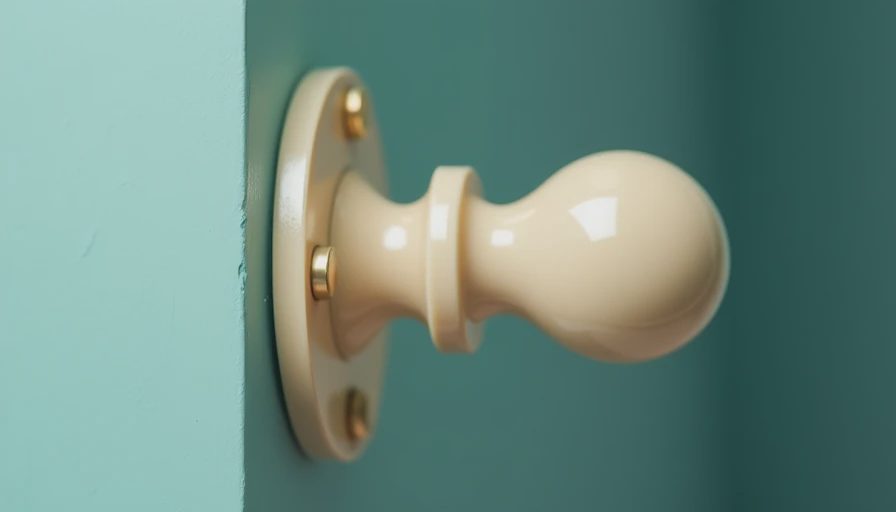
How to install curtain rods without drill on an inside frame
Start by wiping the frame with isopropyl alcohol on a clean cloth, unless the manufacturer of your adhesive says otherwise. Do not apply hooks over loose paint, condensation, or dust. Measure the narrowest width at the top, middle, and bottom of the frame. Older wood windows are often slightly out of square, and a tension rod set to the widest measurement can slip later.
For a tension rod, extend it just beyond the measured width, place one end at the desired height, and compress the other end into position. Twist to increase pressure according to the rod design. Give it a firm downward test with your hand before hanging the curtain. If it shifts, reduce the load or choose a wider, sturdier model with rubberized end caps.
For adhesive hooks, mark both positions with removable painter's tape. Keep them level and far enough apart that the rod extends several inches beyond each side of the fabric. Press each hook firmly against the surface, then wait before loading it. This extra time is not wasted: adhesive creates a stronger bond when it settles without the weight of a curtain pulling on it.
A tension rod mounted inside the frame usually makes the window look neat but limits how far the curtain can open. That matters with thermal drapes. If the cloth remains in front of the glass all day, it blocks more light and can make a small room feel darker. For privacy sheers, that compromise is usually acceptable; for a lined winter curtain, an outside-mounted solution performs better.
Match the hardware to curtain weight
Fabric construction tells you more than the label “curtain.” A loose plain-weave cotton panel is relatively forgiving. A tightly woven cotton duck feels firm and gains weight quickly when lined. A velvet with a dense pile, meaning its raised surface fibers, can be surprisingly heavy even before adding blackout backing. A pair of full-length lined panels may exceed the comfortable capacity of inexpensive adhesive hooks.
For a rough home estimate, a narrow unlined sheer may work on a light tension rod, while two medium-weight panels need a stronger rod and more reliable support. Heavy lined or interlined drapes are poor candidates for small adhesive hooks. Interlining is a soft insulating layer between the face fabric and lining; it improves warmth and fullness but adds considerable weight.
If your curtain is heavy, consider reducing the span. A rod across a 30-inch window places less leverage on its supports than one spanning 72 inches. You can also use a lightweight privacy panel on a no-drill rod and install a separate, heavier treatment only when the wall can safely accept screws. The best-looking installation is the one that stays level after repeated opening and closing.
How to install curtain rods without drill while improving insulation
In a cold climate, installation height and fabric behavior work together. When I hang a curtain in a drafty older window, I look first for gaps at the sides and bottom. A rod that sits inside the frame may leave cold air moving around the fabric. An outside-mounted panel that extends 3 to 6 inches beyond the window can overlap those leakage paths more effectively, provided the adhesive hooks or magnetic supports can carry it.
Choose a tightly woven fabric or a curtain with a credible thermal lining. Blackout lining reduces light, but it is not automatically the same as a true insulating lining. Touch the samples: a thin coated polyester feels slick and stiff, while a fabric-backed lining feels softer and usually hangs with less plastic-like noise. Either can help reduce radiant chill near the glass, but neither replaces weatherstripping around a loose sash.
Keep fabric away from steam radiators, baseboard heaters, and open flames. A long curtain that drapes over a radiator can restrict heat circulation and create a safety issue. In that situation, use a sill-length panel or raise the hem rather than forcing a floor-length look.

Common mistakes that make no-drill rods fail
The first mistake is exceeding the hardware rating because the curtain “does not feel that heavy.” Wet cleaning, decorative rings, and a wide gathered fullness all add load. A second is hanging the rod immediately after applying adhesive. The hook may look attached while the bond is still developing.
Another mistake is choosing a rod that is too short. If the rod barely reaches the ends of the hooks, the supports receive more downward leverage. Extend the rod beyond each support when the design allows. Also check the return policy before opening the package; no-drill systems are highly dependent on wall texture and fabric weight.
Finally, do not ignore movement. Open and close the curtain ten times, then inspect the supports. If the rod bows, slips, or rubs paint, change the setup before the problem becomes a fallen curtain and a damaged floor lamp.
A practical installation sequence
Measure the window in three places and record the smallest inside width. Weigh or estimate the curtain, including lining and rings. Select a tension, magnetic, or adhesive system rated above that total. Clean the surface, mark level support points, and install the hardware according to its instructions. Wait through the full bonding period when adhesive is involved. Add the empty rod first, test it with gentle downward pressure, and then hang one panel at a time.
Stand back from across the room. The curtain should cover the glass without bunching against the frame, and the hem should clear any heater. If the fabric is lined, check it from outside at night for unwanted light gaps. This inspection connects appearance with performance, which is the part many quick DIY guides miss.
When deciding how to install curtain rods without drill, treat the fabric as part of the engineering rather than an afterthought. A sheer and a lined wool-blend curtain may use the same window, but they do not place the same demand on hardware. Spend money on reliable support and a fabric suited to your light and climate; save money by avoiding unnecessary wall repairs. Done carefully, a no-drill installation can look intentional, protect a rental, and make a drafty window feel noticeably more comfortable.


No letters yet — be the first to write.