Drapes are often sold as a finishing touch, but in a cold-climate house they are part of the building envelope. Run your hand across a dense wool blend and then across a thin polyester panel: one feels springy and substantial, while the other feels slick and light. That difference affects how the fabric hangs, filters daylight, resists fading, and slows the movement of cold air near a window. After years specifying textiles, I look at drapes as both a visual choice and a small piece of thermal engineering.
What separates inexpensive fabric from quality drapes
Price begins with fiber, but fiber alone does not tell the whole story. A $12-per-yard polyester can be tightly woven, durable, and perfectly sensible for a guest room. A $120-per-yard linen may be beautifully made but too transparent, wrinkle-prone, or loosely woven for a drafty bedroom. The useful question is not simply whether a fabric is natural or synthetic. Ask how the yarn was spun, how closely it was woven, and what lining will support it.
Touch is a reliable first test. Hold a fabric by one corner. Quality drapes usually fall in a controlled vertical line instead of ballooning or twisting. Crush a small section in your hand, release it, and watch the recovery. Linen shows a soft, deliberate rumple; tightly finished polyester often springs back quickly; wool has a resilient, slightly cushioned hand. None is automatically better. The right behavior depends on whether you want relaxed texture, crisp pleats, or a heavy theatrical fold.
Look closely at the weave, too. A plain weave crosses yarns in a simple over-under pattern and is often stable and affordable. A twill has diagonal ribs, giving it more body and a softer fall. A jacquard creates a pattern within the structure of the cloth rather than printing it on the surface. That construction can add depth and durability, but it also adds labor and cost. The same floral image printed on basic polyester will usually cost less than a woven pattern with carefully matched repeats.
Choosing fibers for cold windows and real life
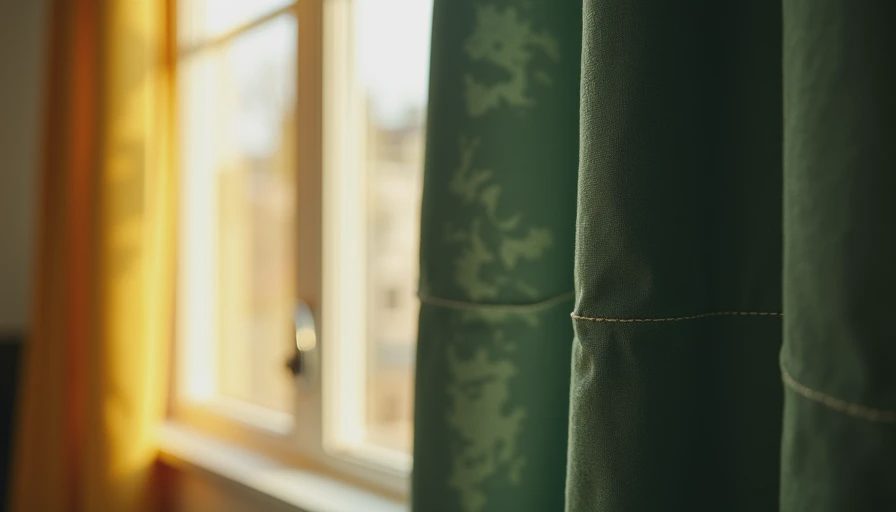
Cotton is familiar, breathable, and easy to color, but lightweight cotton alone does not provide much insulation. It works well when paired with a thermal lining or used in rooms where moderate light control is enough. Linen has a dry, cool hand and attractive slubs, which are small variations in the yarn. Those irregularities give linen character, but they also let more light through and can make the fabric feel less substantial at the window.
Wool is naturally lofty, meaning its fibers hold tiny pockets of air. That makes wool-rich drapes feel warm and heavy without requiring an extremely thick cloth. It also recovers well from crushing and can create elegant folds. The tradeoff is cost, care, and limited color selection compared with polyester. A wool blend can deliver much of the visual weight for less money, especially when wool is combined with polyester for stability.
Polyester earns its place in many homes. Modern polyester can imitate linen, velvet, silk, or cotton while offering strong color retention and simpler maintenance. The key is density and finishing. A very thin polyester panel may look acceptable in an online photograph but provide little privacy or draft control. Hold a sample toward a window. If the weave looks open and the light passes through unevenly, expect a decorative layer rather than a serious insulating one.
Lining is where performance often begins
A beautiful face fabric can disappoint without the right lining. Standard lining adds body, softens the view from outside, and protects the face fabric from direct sunlight. Blackout lining uses a denser construction to block most light, making it useful in bedrooms, nurseries, and media rooms. It also adds weight, so the rod, rings, and pleats must be strong enough to carry it.
Interlining sits between the face fabric and the lining. Usually made from cotton, polyester, or a blended fleece-like material, it adds loft and reduces the chilly radiant feeling beside a winter window. In my Minneapolis house, interlined drapes make a more noticeable comfort difference than swapping one decorative fabric for another. They do not replace weatherstripping or good glass, but they can make a seating area feel less exposed.
For a bedroom, I often favor a medium-weight face fabric, blackout lining, and a generous return at each side. The return is the short section that wraps from the front of the rod back toward the wall. A larger return closes side gaps and improves privacy. Floor-length panels should also reach close to the floor without dragging, because excess fabric collects dust and can interfere with radiators.
How construction changes the way drapes hang
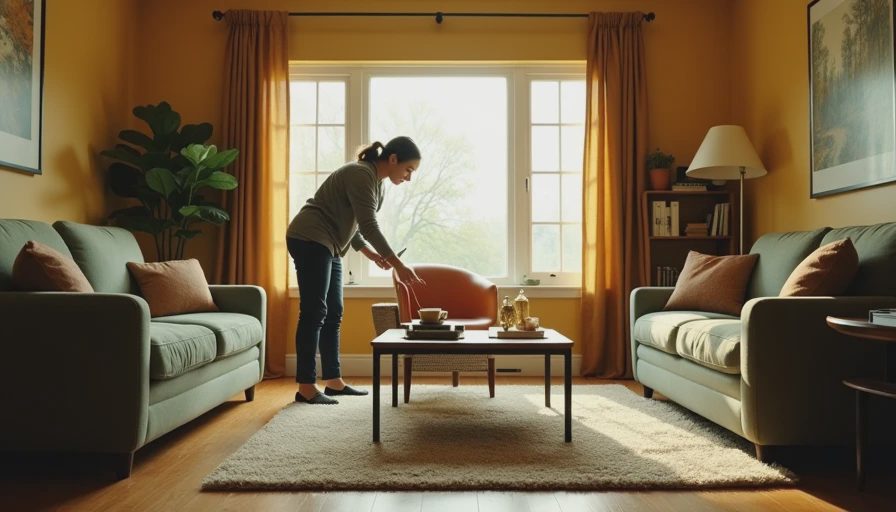
Pleats are not merely decoration. Pinch pleats gather fabric into controlled folds, producing a formal appearance and requiring a compatible rod or traverse system. Grommets create broad, casual waves, but they need a fabric with enough body to keep those waves from collapsing. Rod pockets suit lightweight panels that stay mostly stationary; they are frustrating on heavy treatments you open every morning.
Fullness describes how much fabric is used compared with the window width. A panel with 1.5 times fullness looks relatively restrained. Around 2 to 2.5 times fullness creates richer folds and better visual coverage, though it costs more and takes more space when drawn open. For example, a 60-inch window might need 120 to 150 inches of finished fabric for a substantial look. Measure the rod, not just the glass, because the treatment should normally extend beyond the frame.
Pay attention to pattern repeat. A large repeat may require extra yardage to align motifs across panels, increasing the price without changing the finished width. Ask for the vertical and horizontal repeat before ordering. A competent workroom can calculate the allowance, match the pattern, and explain whether a centered motif will produce waste.
What to spend on, and where to save
Spend first on correct measurements, a sturdy rod, and lining. A moderately priced face fabric with excellent construction can outperform expensive unlined silk. Spend more when the room receives strong afternoon sun, the window is unusually cold, or the treatment will be opened and closed daily. In those conditions, fading resistance, seam quality, and smooth operating hardware matter more than a famous designer label.
Save on trend-sensitive colors and secondary rooms. A simple cotton-polyester blend in a home office can look polished for $25 to $60 per panel, while custom wool-blend drapes for a large living room can reach several hundred dollars per panel after lining and labor. The price difference reflects yardage, sewing, pattern matching, lining, and installation—not just a logo.
Before buying, request a physical swatch. View it in morning, afternoon, and lamplight. Rub the surface lightly, inspect the reverse, and hold it against your wall color. Online images cannot show whether a fabric has a fluid fold or a stiff, shiny break. If possible, tape the swatch near the glass for two days. That small test reveals far more than a product thumbnail.
A practical selection process
Start by recording the window width, height, frame depth, radiator location, and direction of sunlight. Decide whether the priority is warmth, darkness, privacy, sound softening, or appearance. Then choose the face fiber, test the weight in your hand, and select lining based on the room rather than the marketing label. “Thermal” can describe a useful construction, but it is not a universal performance rating.
Finally, compare two complete samples: face fabric alone and face fabric with its proposed lining. The lined sample will show the real color, weight, and fold. This is the point where drapes stop being an abstract purchase and become a measurable textile system. Good drapes should look right, feel right, and solve the specific window problem you noticed in the first place.



No letters yet — be the first to write.