Custom length curtains are the answer when a pair of 84-inch panels refuses to hang right. You measure a window, find a perfect drape online, and the second you hang it, the hem floats six inches above the floor. Or the panels puddle too deep and collect dust. The problem isn't the fabric or the color; it's the length. In five years of consulting on window treatments in Minneapolis, I've seen this scene repeat itself a hundred times. Homeowners buy beautiful cloth and then settle for a length that was never designed for their windows. If you're shopping for custom length curtains, you're already ahead of the game. But you need to know how to measure, what fabric works, and what to ask before you spend money.
Why Standard Curtains Miss the Mark
Most off-the-rack curtains come in a handful of fixed lengths: 63, 84, 96, or 108 inches. Those numbers assume a standard window height and a standard rod placement. They don't account for a 1910 Craftsman with 9-foot ceilings, a new build with 8-foot drywall, or a bay window with a soffit that changes everything. The result is either a curtain that hovers awkwardly above the floor or one that pools in a way that looks messy and traps lint. There's also the matter of shrinkage. Cotton curtains can lose 2 to 3 percent of their length after the first wash, turning a 96-inch panel into a 93-inch panel that now breaks at the wrong spot. Custom length curtains take all that guesswork out. You specify the exact drop from rod to floor, and the workroom builds the panel to that number, including the header, hem, and any allowance for future washing.
How to Measure for Custom Length Curtains
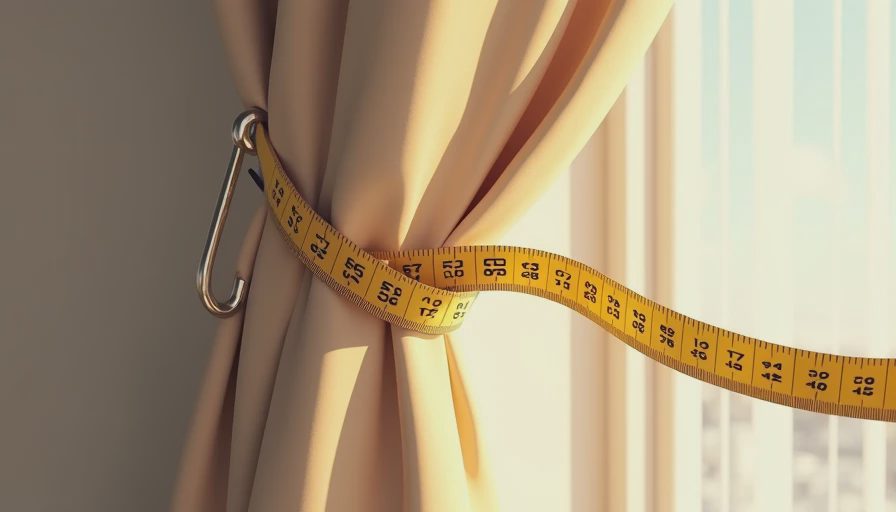
Grab a steel tape measure, not the cloth one, and decide where the rod will sit. Mount the rod 4 to 6 inches above the window frame, or halfway between the frame and the crown molding. Measure from the top of the rod down to the floor; that's your drop. Then pick a hem style: a floating hem that clears the floor by a quarter inch, a kiss hem that brushes it, or a puddle that extends 1 to 2 inches. Subtract 0.25 inch for floating, use the exact number for kiss, add 1 to 2 inches for puddle. Now add the header allowance: if using rings, measure from the bottom of the ring; if using a rod pocket, add the distance from the rod to the fabric fold. Most first-timers miss this: a labeled 96-inch curtain includes the header, so the fabric below the rod is less than 96 inches. With custom length curtains, you specify the finished hem-to-hem measurement, and the workroom handles the rest. Also account for hardware: a two-inch diameter rod sits lower than a one-inch rod.
Fabric Science: What You're Actually Buying
Length is only half the equation. Fabric determines how the panel hangs, how much light it blocks, and how it behaves in a cold climate. In Minnesota, I pay close attention to weave density and weight. A lightweight polyester panel hangs limp and lets cold air in. A heavy cotton velvet has body, insulation value, and falls in folds that read as expensive. Two terms matter: drape and fullness. Drape is how easily fabric bends; that depends on the fiber, yarn, and weave. Fullness is the ratio of fabric width to window width. Plan on 1.5 to 2 times the window width for a standard gather, or 2.5 times for a dramatic look. A 48-inch window needs at least 72 inches of finished curtain width, plus side returns. If you skimp on width, your custom length curtains will look like stretched flags, not drapery.

What Custom Length Curtains Cost
Pricing for custom length curtains varies as much as fabric does. A basic cotton-poly blend might run $50 to $90 per panel. A mid-weight linen with a good lining runs $120 to $180. A wool or velvet with blackout lining can hit $300 or more. That's fabric and labor. Custom length doesn't add a huge premium; the cost driver is the fabric and header style. A pinch pleat with interlining costs more in labor. Grommet tops are cheaper but less adjustable. Ring-top panels are a middle ground. Hardware adds up: a quality traverse rod runs $60 to $150 per window. With custom length curtains, you're paying for a panel that fits, so you won't buy twice. In my experience, people who order custom spend $250 to $500 per window and are satisfied.
Ordering Like a Pro: Questions to Ask Your Workroom
Before you order, ask these five questions. One: What's the finished length after header and hem? Get it in writing. Two: Does the price include lining? A good lining protects fabric from UV damage and adds stiffness. Three: What's the take-back? That's how much fabric stacks when open. If the rod is too short, you'll lose light. Four: What's the shrink allowance? Cotton and linen should be pre-shrunk or allowed for. Five: What's the return policy? Custom fabric is cut to your spec, so returns are rare, but a reputable workroom stands by its work. Also order a sample swatch first. It tells you weight, hand, and light transmission for about $5.
Custom length curtains aren't just for a grand salon. They're for any window that doesn't fit the standard sizes. Whether you live in a century-old bungalow or a suburban split-level, the right drop changes the whole room. Measure carefully, choose a fabric that performs, and ask the workroom the hard questions. When you do, they will hang like they were made for the window—because they were.


No letters yet — be the first to write.