When people search for custom curtains and drapes near me, they usually want three things at once: better light control, a finished look, and less of that cold air sliding off the glass in January. I live in Minneapolis, so I think about window treatments the way other people think about weatherstripping. A good drape is not just decoration. It is fabric, lining, fullness, and hardware working together so the window feels calmer and the room feels warmer.
The price spread is wide for a reason. A small lined pair in a basic polyester can be a few hundred dollars. A wide floor-to-ceiling treatment in linen or velvet, sewn with proper fullness and mounted on quality hardware, can land well above $1,000 once labor and installation are added. That gap is not markup alone. It is the difference between cloth that merely hangs and cloth that performs.
The Fiber File
Run your hand across a sample and the first clue is usually weight. Cotton feels familiar and easy to sew, but it can fade and wrinkle more than people expect. Linen has that dry, crisp hand that makes a room feel relaxed, yet it also creases fast and lets light through unless you choose a dense weave or add lining. Polyester often gets dismissed too quickly, but a good woven polyester can be stable, colorfast, and far less fussy in a south-facing room.
Wool is the sleeper choice in cold climates. A wool blend has more body, better insulation, and a soft, quiet drape that falls in a straight line instead of fluttering around every time the furnace kicks on. Velvet is another strong performer because its pile, the raised surface you can feel when you brush your hand one way and then the other, slows light and adds visual weight. If you are comparing custom curtains and drapes near me, ask to see the same design in more than one fiber. The shape of the hem, the way the folds stack, and how much light leaks through will tell you more than a polished showroom pitch.
The other word that matters is weave density. Tightly woven cloth blocks more daylight and usually handles lining better. Loose weave gives you a breezier look, but it can feel thin at night when the lamp is on behind it. That is why the cheapest fabric is not always the cheapest finished window.
Window by Window
The window itself decides a lot. A short kitchen window near a driveway does not need the same treatment as a tall living room opening with old single-pane glass. In a drafty room, I like drapery that extends past the trim and drops close to the floor, because that extra coverage helps stop the cold edge from becoming the focal point of the room. On a tighter budget, a simple rod pocket panel can work, but a pinch-pleat treatment usually looks sharper and stacks cleaner when it is open.
Hardware matters more than most people think. A traverse rod, which is a track that lets the curtains open and close by pulling a cord or wand, is worth the money when you want daily use without fuss. Grommets are easy, but they do not always give the same tailored fold. Ripplefold looks modern and clean, though it wants the right track and enough width to hang correctly. If you are meeting a workroom or showroom, bring window measurements, photos from morning and evening, and a rough idea of how much light you want at each time of day. That is the fastest way to avoid paying for a look that fights your life.

The Swatch Book
A swatch in a showroom is helpful, but it is not the whole story. Hold it up at home in daylight, then again at night with the lamps on. A pale oatmeal linen can look airy in the store and almost transparent against a dark wall once it is in your dining room. A warm gray velvet can read elegant under store LEDs and then turn almost charcoal beside a north-facing window. If you are comparing custom curtains and drapes near me, that home test is where the real answer shows up.
This is also where lining earns its keep. Standard lining softens the back side, protects the face fabric from sun, and gives the panel a fuller body. Blackout lining stops more light, but it also makes the curtain heavier and less breathable. Interlining sits between the face fabric and the lining. It is a separate layer, often flannel-like or felt-like, that adds insulation and makes the drape hang with more substance. In a cold climate, that middle layer is often the difference between a panel that looks flat and one that feels serious.
I also like to ask for the workroom specification sheet, even if the shopper does not care about sewing terms. It should tell you the finished width, the fullness ratio, the lining type, the hem depth, and whether the panel is meant to stack to one side or split in the middle. Those details are where quality lives.
Behind the Seam
Turn a panel over and the backs tell the truth. Clean seam allowances, matched patterns, and a deep hem are signs that someone built the curtain to last, not just to sell. A deeper hem helps the fabric hang straight because it adds weight at the bottom. If the bottom edge is too light, the panel can ripple, twist, or swing when the heat register comes on. Side hems matter too, especially on fabrics with a visible pattern. When the stripes line up and the corners stay square, the room looks finished before you even notice why.
For custom curtains and drapes near me, I also pay attention to fullness. Fullness is the extra fabric used beyond the window width so the curtain can stack in graceful folds instead of looking like a flat sheet. A common range is roughly two times the opening width, sometimes more for velvet or silkier cloth. More fullness costs more, but it usually buys better depth, better light control, and a more expensive-looking result. In many homes, the sweet spot is a lined fabric with honest fullness, not a flimsy panel pretending to be tailored.
Budget-wise, the smartest money often goes to fabric, lining, and good labor. You can save on a fancy finial or an ornate rod if the bracket is sturdy and the hardware slides smoothly. A well-made curtain on modest hardware beats the other way around every time.
Paul's Eye
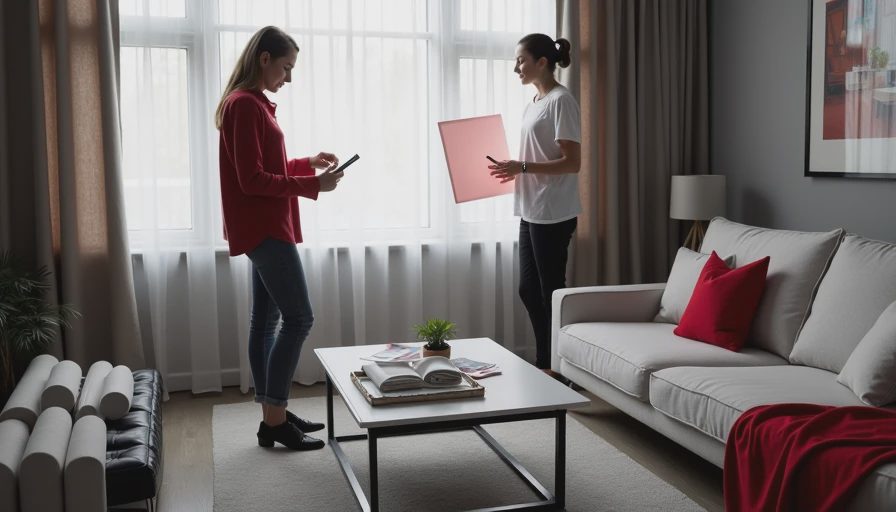
When I point someone to custom curtains and drapes near me, I start with the room they actually live in, not the room they wish they had on Pinterest. A bedroom that feels icy at dawn needs different fabric than a front sitting room that only gets used on weekends. In practice, I want the shopper to ask three questions: how much light do I need to block, how much warmth do I want to hold, and how formal do I want the finished room to feel. Those answers narrow the field fast.
That is why I like local workrooms, premium chains such as The Shade Store, and good independent upholsterers for different reasons. A local shop may give you more control over pleats, lining, and lead time. A bigger retailer can be convenient when you want a fast measure and a predictable process. Either way, the best choice is the one that lets you touch the actual cloth, see the stitching, and understand what you are paying for. If the estimate is clear and the sample hangs well in your home, you are close.
If you want the shortest path to a better result, start with one window and build from there. Bring home swatches, check them in morning light and after dark, and do not skip the lining conversation. That is the real test behind custom curtains and drapes near me, and it is usually the difference between a room that merely looks finished and one that feels comfortable all winter long.


No letters yet — be the first to write.