Affordable Custom Curtains: How to Get a Made-to-Measure Look Without the Designer Price Tag
When I started in fabric development, the first thing I learned is that most of what you pay for in a custom curtain isn't the fabric. It's the labor, the markup, and the assumption that "custom" has to mean "expensive." The good news: affordable custom curtains are absolutely within reach if you change your approach. You don't need a $600-per-window workroom. You need the right bolt of cloth, a clear measuring plan, and a few honest shortcuts that don't show up in the final drape. Let's walk through them one fabric at a time.
Why Custom Curtains Get Expensive (and Where the Money Goes)
A designer workroom will often charge three times the fabric cost. They're quoting you for hand-finished seams, pinch pleats, linings, and the time it takes to get every panel perfectly square. Some of that matters. A lot of it doesn't. When I talk to homeowners about affordable custom curtains, I start by breaking down the line items: fabric, lining, hardware, labor. The fabric is usually 30 to 40 percent of the total. The rest is upcharge. You can eliminate the upcharge by working directly with a local seamstress or using ready-made panels you finish yourself.
Choose the Right Fabric Before You Think About "Custom"
The fabric is where you should put your money. For a budget-friendly custom project, look for cotton duck, twill, or a polyester-linen blend with good weight. Cotton duck runs about $8 to $12 per yard at a discount fabric store, and it hangs flat and clean. A heavier linen blend might cost $18 to $30 per yard, but you only need two and a half times the window width for full gathers. Compare that to a decorative fabric at $60 per yard plus a workroom fee, and the savings add up fast. When a client asks me for affordable custom curtains, I always steer them toward mid-weight cotton with a blackout lining. The lining adds performance, and the cotton gives you that crisp custom look. You can also buy fabric from online remnants and mill surplus stores for a fraction of retail.

What to Spend On and Where to Cut Corners
If you want affordable custom curtains, spend on fabric and hardware you'll touch every day. Invest in a good traverse rod or pinch-pleat hooks, because those affect the way the curtain pulls and hangs. Save on the lining and trim. A basic cotton sateen lining costs $4 to $6 per yard and does the job. Skip the custom embroidery and hand-stitched details. A straight hem with a 4-inch depth is all you need. If your existing rod is already up, use it; a new metal rod from a big-box store runs $20 to $50, while a designer wood rod can hit $150. I've hung beautiful curtains on a $25 rod from Menards. The curtain is what people see.
A Simple Measuring and Ordering Workflow That Saves Money
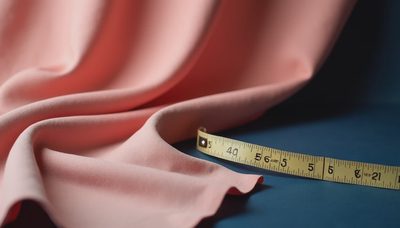
Measure the rod width, not the window width. That's the number that matters for fabric yardage. For a full gather, order fabric that is 2.5 times the rod width. A 48-inch window will need about 120 inches of fabric width before seams. Divide by the fabric's usable width to get the panel count. If a cotton duck bolt is 54 inches wide, you'll need three widths for a nice full pair. Add 8 inches per panel for hem and header. That math alone can cut your custom quote by 20 percent because you're not letting the workroom upcharge you on extra yards. Then ask your seamstress for a straight panel with grommets or a tab top, not a fussy pleat. That's the fastest way to keep affordable custom curtains realistic.
The Ready-Made Trick: Make Stock Panels Look Custom
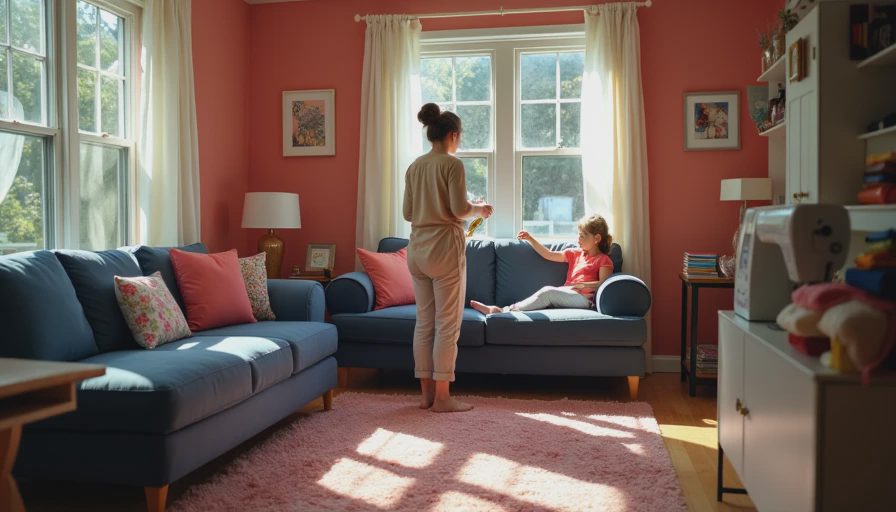
You can buy a pair of 84-inch cotton panels for $40 and spend another $25 on fabric to add a contrast border or a rolled hem. That gives you the look of a custom fabrication for a fraction of the price. The trick is to treat the ready-made panels as raw material. Turn them sideways, shorten them, add a band of upholstery fabric along the bottom, or replace cheap grommets with a rod-pocket header. If you know someone with a sewing machine, a straight seam is a 30-minute job. I've done this in my own house with panels from Target and a remnant of velvet from the clearance bin. The result reads as bold and intentional, not bargain bin. That's the essence of affordable custom curtains: making deliberate choices about where the eye lands.
A Few Questions to Ask Before You Commit
How much fabric do I need? Use the 2.5x rule above and don't let anyone sell you more. Do I need lining? Yes, if the room gets direct sun or you want privacy after dark. A blackout lining costs about $6 per yard and changes a room's warmth. Can I finish the panels myself? If you can sew a straight line, yes. If not, budget $20 to $30 per panel for a local alterations shop. That still works out to affordable custom curtains if you kept the fabric cost low. The most important question is whether the curtain does what you need it to do with the light and heat in that room. Get that right, and the price almost doesn't matter.


No letters yet — be the first to write.