Run your fingers across a tightly woven linen shade, then compare it with a thin polyester sample. The difference is immediate: one feels dry and substantial, while the other feels slick and papery. That contrast explains why roman shades can look similar online yet perform very differently at a cold-climate window. The face fabric, lining, construction, and installation all determine how much light enters, how the folds stack, and whether the room feels comfortable beside the glass.
I have specified window fabrics for commercial and residential projects, and I approach roman shades as textile assemblies rather than simple decorations. A $90 shade and a $500 shade may both have six horizontal folds, but they do not necessarily use the same fiber, lining, hardware, or sewing precision. Understanding those differences helps you spend money where it changes daily life instead of paying only for a fashionable color.
How the Fabric Changes the Shade
Hold a cotton-linen blend toward a window and watch the light soften through the yarns. You will usually see a gentle, irregular glow because the weave has small spaces and natural fiber variation. A tightly woven polyester fabric blocks more light with a smoother, more uniform appearance. Neither is automatically superior. The right choice depends on whether you want filtered daylight, privacy, or near-darkness.
Fiber affects behavior over time. Linen has an appealing dry hand and attractive slubs, but it can crease and relax as humidity changes. Cotton feels softer and can take printed color beautifully, though unlined cotton is not my first choice for intense southern exposure. Polyester is often more dimensionally stable, meaning it changes size less with moisture and temperature. A wool blend can offer body and insulation, but it costs more and may be excessive for a lightly used guest room.
Roman shades benefit from medium-weight cloth with enough structure to form clean folds. A fabric that is too limp produces collapsed, uneven pleats. A fabric that is too stiff may resist stacking and show bulky edges. Ask for a full-size sample, not just a two-inch swatch, and let it hang overnight. The larger piece reveals drape, transparency, and whether the pattern looks awkward when folded.
Lining Is the Performance Layer
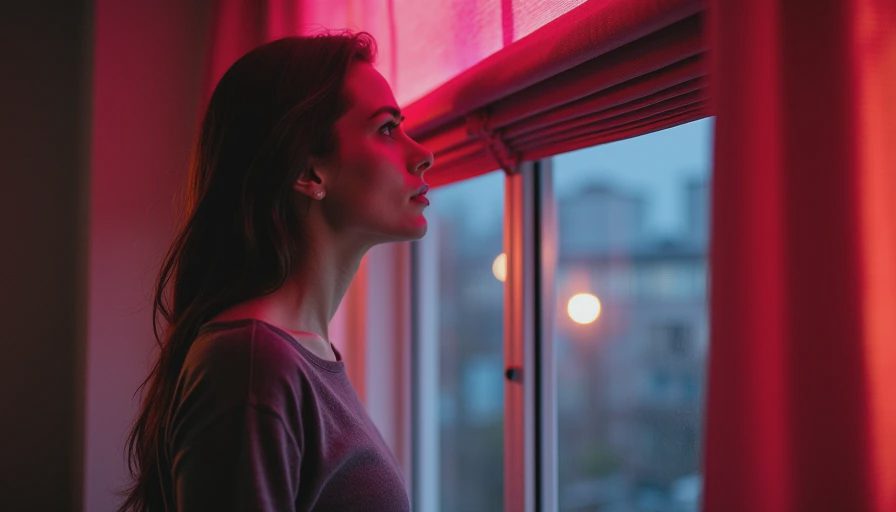
Turn a lined shade over and feel the difference in weight. The lining is the pale or colored fabric attached behind the decorative face, and it controls much of the shade's practical performance. Standard cotton lining softens light and gives the front fabric more body. Thermal lining adds a denser layer that can reduce drafts near older windows. Blackout lining blocks substantially more light and also protects the face fabric from ultraviolet exposure.
For a Minneapolis bedroom with winter drafts, I would normally prioritize a tightly woven face fabric and thermal or blackout lining over an expensive decorative weave. That combination creates a better barrier than a beautiful unlined linen alone. It will not replace weatherstripping or repair a failing window seal, but it can reduce the chilly radiant feeling you notice when sitting beside cold glass.
Blackout lining is not always the best answer. In a living room, complete darkness can make daytime feel flat, and a dark lining may show along the side edges. Privacy lining or light-filtering lining is often more pleasant in a kitchen, dining room, or home office. Ask whether the lining is sewn, bonded, or attached separately. Sewn construction can be easier to repair, while some bonded systems have a cleaner profile but can be less forgiving if the adhesive ages.
The face fabric also needs protection. Sunlight can fade vivid blue, red, and green fibers faster than neutral shades. A lining slows that process, but it does not make fabric immune. If a window receives strong afternoon sun, choose a color with some visual tolerance for fading and rotate attention to other elements rather than expecting the original tone to remain perfect forever.
Mounting Determines Real-World Insulation
Touch the wall above an old window in January and you may find it noticeably colder than the surrounding paint. An inside-mounted shade fits within the frame and gives a tidy, built-in appearance, but small side gaps allow light and air movement around the glass. An outside mount extends over the trim and usually improves coverage. For energy performance, I generally favor an outside mount placed several inches above and beyond the window when the architecture allows it.
Roman shades work best when the measurements are precise. Measure the width at the top, middle, and bottom of the opening, then use the smallest inside width if you are installing inside the frame. Measure height on both sides. Uneven older windows are common in Craftsman and Colonial houses, and a shade built from one optimistic measurement can bind or leave an obvious gap.
Consider the stack when raised. A shade with several deep folds may cover six to ten inches of glass, especially on a tall window. That is acceptable in a bedroom where privacy matters, but it can steal valuable daylight from a narrow kitchen window. Flat roman shades stack more compactly, while relaxed or hobbled styles create fuller folds and a softer look. The hardware must support the finished weight; a heavy lined shade should not be paired with the flimsiest cord mechanism.
Choosing a Style Without Ignoring Function
Flat roman shades show the fabric clearly, making them a strong choice for a small geometric print, embroidered linen, or carefully matched stripe. Their uninterrupted front also reveals crooked seams and pattern mistakes, so manufacturing quality matters. A relaxed roman shade has a gentle curve at the bottom and a less formal attitude, but it requires fabric with enough body to hold that shape.
Hobbled roman shades retain overlapping folds when raised. They feel substantial and traditional, yet they use more fabric and occupy more space above the window. In a room with a low ceiling, that stack can make the opening feel crowded. I would spend extra on a reliable lifting system before upgrading from flat to hobbled construction. Smooth operation is something you use every morning; an ornamental fold is something you mostly look at.
Roman shades can also combine well with side panels. The shade handles privacy and light control, while unlined wool, cotton, or linen drapery adds softness and reduces the impression of bare glass. In a drafty room, use the side panels as a second layer that closes fully at night. Make sure the radiator or heat register is not blocked, since trapping warm air behind heavy cloth can reduce heating efficiency.
What a Sensible Budget Buys
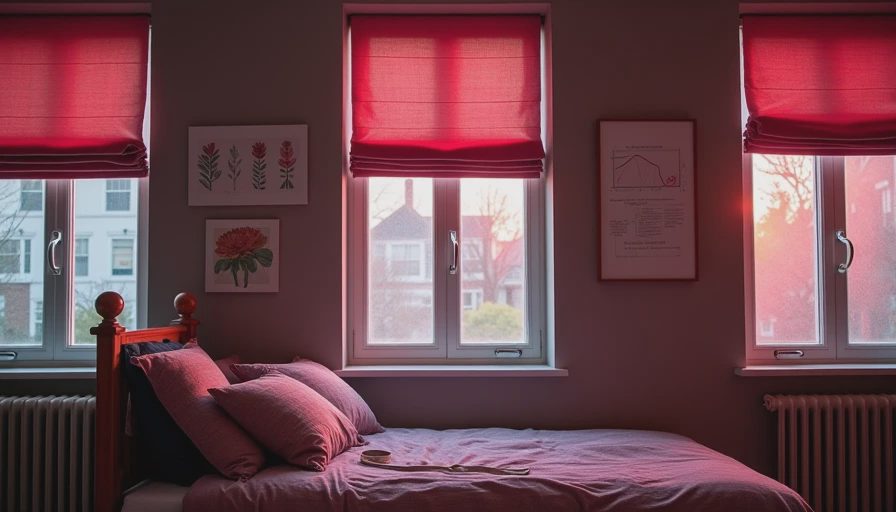
At the lower end, ready-made roman shades commonly use polyester, standardized widths, and basic light-filtering linings. They can be useful for rentals or secondary rooms, particularly when the window is a common size. Expect less control over pattern placement and fewer options for unusual depths. A shade in the roughly $100 to $250 range can be perfectly serviceable when the window is simple and the fabric receives moderate sunlight.
Custom roman shades often begin around $350 and can pass $1,000 per window once premium fabric, blackout lining, specialty hardware, and professional installation are included. The price is justified when you have tall, shallow, angled, or historically irregular windows. Custom work also lets you specify a continuous-loop or motorized system, useful for hard-to-reach windows. Motorization adds cost, but it can improve safety and make daily light control realistic.
Spend first on accurate measurement, lining, and lifting hardware. Spend next on a fabric that will not fight the intended fold. Decorative trim, contrast borders, and luxury labels come later. A mid-priced, well-lined shade installed squarely will usually look more expensive than a high-priced shade with poor proportions and weak hardware.
A Practical Selection Process
Start by observing the window for a full day. Note the strongest sun, the coldest-feeling hours, glare on screens, and whether neighbors can see inside after dark. Then choose the performance target: filtered light, privacy, room darkening, or maximum coverage. That decision narrows the lining options before color and pattern distract you.
Next, order fabric samples and compare them against the wall, floor, and upholstery. Hold each sample to daylight, then view it under an evening lamp. Rub the surface lightly and bend it to see whether the finish feels brittle, papery, supple, or dense. Ask for cleaning instructions, light-fastness information, finished shade weight, and the measurement allowance required by the manufacturer.
Finally, confirm the mount, stack height, control type, and installation plan in writing. If you are replacing several windows, begin with one shade and live with it through a sunny afternoon and a cold night. That small test can reveal glare, hardware noise, or an unwanted stack before you repeat the mistake across the house. Well-chosen roman shades should make the window quieter visually and more comfortable physically. The best result is not simply a polished fold; it is a textile layer that suits your light, climate, and everyday habits.


No letters yet — be the first to write.