The cost to shorten curtains usually falls between $15 and $75 per panel, but that range changes quickly when the fabric is lined, pleated, embroidered, or made from a heavy material. I have handled enough drapery yardage to know that shortening is not simply a matter of cutting off the bottom and sewing a new edge. The hem affects how the curtain hangs, how light enters around the sill, and whether cold air continues to spill across the glass.
For a basic cotton panel with a straightforward one-inch or four-inch hem, a local tailor might charge $15 to $30. A lined blackout panel often lands closer to $30 to $60, while velvet, silk, pinch-pleated drapes, and oversized panels can exceed $75 each. Before accepting a quote, look at the construction, not just the length you want removed.
What determines the cost to shorten curtains
The first factor is the fabric in your hand. A lightweight polyester panel feels crisp and relatively thin, so it is easy to fold, press, and stitch. Linen has more body and often wrinkles along the cut edge, requiring careful pressing. Velvet has a directional pile, meaning the soft fibers lie in one direction; turning it incorrectly can create a visible color shift. Silk can fray and mark under a hot iron. Each material demands a different finishing technique.
Lining is the second major cost driver. A lined curtain contains at least two layers, and an insulated or blackout curtain may have a dense coating between them. The face fabric and lining should not always be sewn together in one rigid seam because they expand and hang differently. A skilled alteration shop may shorten each layer separately and leave enough movement for the finished panel to fall smoothly. That extra handling explains why the cost to shorten curtains is higher for thermal and blackout products.
The heading style matters as well. Grommet curtains generally keep their top construction and are shortened from the bottom. Rod-pocket panels are similarly uncomplicated. Pinch pleats, goblet pleats, and ripple-fold drapes require more attention because the bottom edge must remain level across a wide panel. If the original hem includes a weighted chain, corner weights, or a decorative band, the shop must remove and reinstall those details.
Typical prices for common curtain alterations
For inexpensive ready-made curtains, paying $15 to $25 per panel is common when the hem is simple and the material is stable. A pair of panels may therefore cost $30 to $50. This is often sensible when the curtains cost $80 to $150 and fit the room well in every other way.
Midrange lined curtains usually cost $30 to $50 per panel. That price can include opening the side seams, separating the lining, creating a new face-fabric hem, and stitching the lining back with enough slack. Custom work on wide panels, especially those longer than 100 inches, may reach $60 to $90 per panel because the fabric is bulky and difficult to manage on a domestic sewing machine.
The cost to shorten curtains can be lower when the alteration is done from the top rather than the bottom, but that is not automatically the better choice. Removing fabric above a rod pocket or header can change the way the panel gathers. On pleated curtains, shortening from the top can alter the relationship between the pleats and the rod. A bottom hem usually preserves the original heading, which is important for an even, professional appearance.
Ask whether the estimate includes pressing, thread matching, removal of the old hem, and reattachment of lining or weights. Some shops quote only the stitching charge and add pressing or specialty handling afterward. Get the price for the complete panel before you leave the fabric behind.
When DIY shortening makes sense
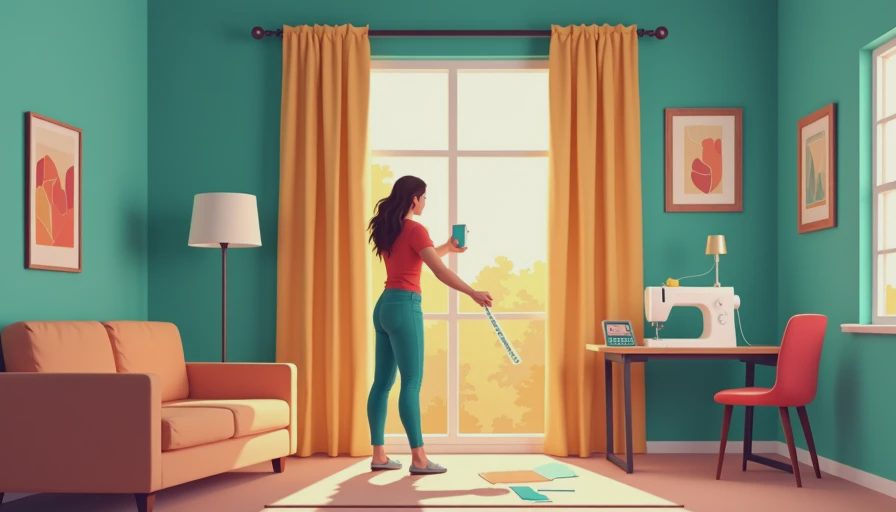
DIY shortening works well when the curtain is an unlined cotton, polyester, or simple linen panel with a straight lower edge. Lay the panel flat, measure from the floor in several places, and mark the finished length with pins or washable chalk. Floors are rarely perfectly level, so measuring only at one end can leave the hem visibly sloped.
For floor-length curtains, I prefer the finished fabric to sit about half an inch above the floor unless a puddled look is intentional. Curtains that cover a radiator need more caution. A heavy panel resting directly over a steam radiator can trap warm air and reduce circulation, while a panel touching an electric heater can create a safety concern. In cold climates, a properly positioned curtain can reduce drafts, but it should not block heating equipment.
Press the new fold before sewing. That tactile step reveals whether the fabric wants to lie flat or is pulling at the corners. Use a matching polyester thread for most synthetic fabrics and a longer stitch for heavier cloth. If the original hem is deep, preserve its proportions rather than replacing it with a narrow strip. A four-inch hem gives a broad curtain visual weight; reducing it to one inch can make the panel look flimsy.
The cost to shorten curtains at home may be limited to thread, machine needles, and time, but an uneven hem can be expensive to correct. Practice on a scrap or on the hidden lining first. If the panel is valuable, complicated, or difficult to replace, professional pressing and sewing are usually cheaper than repairing a crooked cut.
How to measure before taking curtains to a shop
Hang the curtains on their actual rod before measuring. The same panel can sit differently on a rod with large rings, a traverse system, or clips. Close the curtains, smooth the fabric, and measure from the point where the curtain hangs to the desired floor, sill, or apron position. Take measurements at the left, center, and right. Record the shortest practical finished length if the floor is uneven.
For a sill-length curtain, leave enough clearance for the fabric to move without rubbing the sill. For an apron-length treatment, measure several inches below the sill and compare the result with nearby furniture. The cost to shorten curtains does not include correcting a bad measurement, so write the finished length clearly on the work order.
Bring one panel to the alteration shop, not just a photograph. The tailor needs to see the fabric, lining, heading, and existing hem. Explain whether the pair must match at the bottom and whether one window has a radiator, deep trim, or an uneven floor. Ask for the panel to be measured from the top edge or hanging point, since a stated length alone can be interpreted differently.
Choosing between shortening and replacing
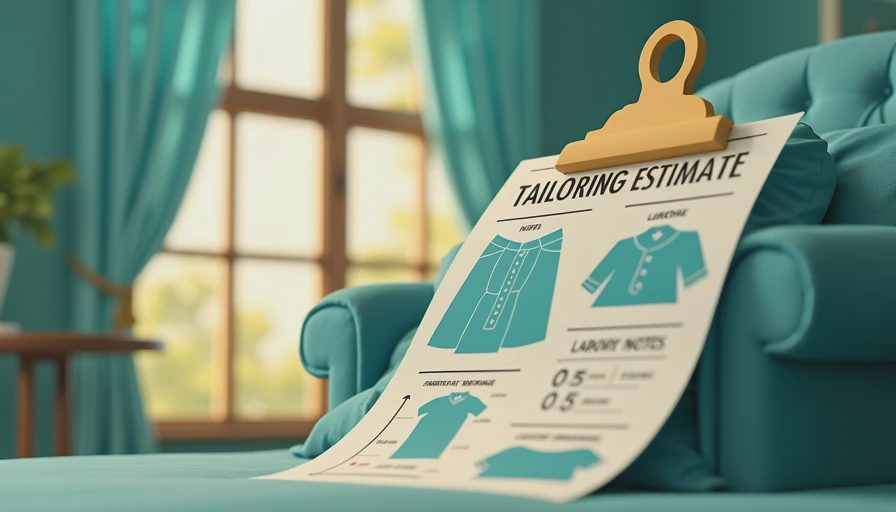
Shortening is usually worthwhile when the fabric has a useful weight, good color stability, and a lining that still hangs smoothly. A dense cotton-linen blend may cost more to alter than a thin polyester panel, but it can deliver better light control and a calmer drape for years. On the other hand, a brittle lining, sun-faded face fabric, or badly stretched header can make alteration money difficult to justify.
Compare the alteration bill with the replacement price and the performance you would gain. If shortening a pair costs $90 but replacing them costs $140 with no lining, alteration may still be the better insulation choice. If the curtains cost $35 and the shop quotes $100, replacement is more practical unless the pattern or color is hard to find.
I also consider fabric width. Very wide curtains provide fuller coverage and fewer gaps at the sides, which helps with winter drafts. Replacing them with narrow panels simply because they are cheaper can reduce both the visual fullness and the window's practical coverage. The cost to shorten curtains should be judged against the whole window treatment, not the hem alone.
How to get a fair quote
Call two or three local alteration shops and describe the panel accurately: fabric type, number of layers, finished length, heading style, and number of panels. Ask specifically whether the quote includes removing the original hem and preserving lining movement. A shop experienced with bridal gowns is not necessarily experienced with large home textiles; curtain panels require long, straight seams and enough floor space to keep fabric from dragging.
A reasonable work order should state the finished length, the hem style, whether the lining is separate, and whether the shop will reinstall weights or decorative trim. Photograph the original hem before handing the panels over. When you collect them, hang one panel immediately and inspect the side edges, corners, and lower line in daylight.
The cost to shorten curtains is money well spent when it protects a good textile and improves the way the room functions. Measure carefully, preserve the original heading when possible, and treat lining and fabric as separate materials rather than one thick sheet. That approach keeps the drape attractive, reduces avoidable errors, and gives your windows a better chance of staying comfortable through the heating season.


No letters yet — be the first to write.