When you run your fingers along a curtain’s bottom edge, you can feel whether the fabric was finished carefully. A crisp fold lies flat, the lining stops where it should, and the panel hangs without twisting. That is why curtain hemming cost deserves more attention than a quick number on a tailor’s price list. The final price depends on fabric weight, lining, the existing hem, panel width, and whether the finished length must be exact for a radiator, floor, or sill.
In most U.S. homes, professional curtain hemming costs about $15 to $40 per panel for a straightforward alteration. Heavy blackout drapes, silk, velvet, thermal interlining, or complicated pleats can push that range to $50 to $100 or more per panel. DIY hemming can cost less than $10 if you already own an iron and sewing machine, but the material is not the whole investment. A crooked hem on a $300 pair of wool-blend drapes is an expensive lesson.
What curtain hemming cost actually includes
The feel of the cloth usually tells me what kind of job lies ahead. A lightweight polyester voile folds easily and accepts a basic machine stitch. A dense cotton duck resists the needle, while velvet shifts under the presser foot because its pile has a directional surface. These differences explain why curtain hemming cost varies even when two panels have the same dimensions.
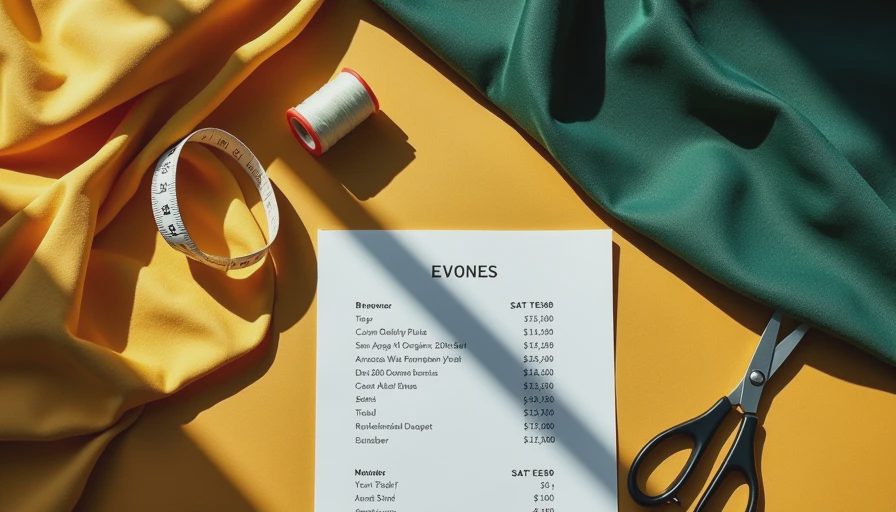
A basic alteration usually includes measuring, marking, cutting excess fabric, pressing a new fold, and stitching the hem. Some shops charge separately for pickup, pressing, lining adjustments, or a minimum order. Expect roughly $20 to $35 per panel for an unlined cotton or polyester curtain in average width. A floor-length panel with a simple two-inch double-fold hem is the least complicated scenario.
The quote should also clarify whether the tailor will preserve the original bottom finish. Decorative borders, weighted tape, scallops, and mitered corners require more handling. If a panel has a lead-weight chain or sewn-in drapery weights, removing and reinstalling that feature can add $10 to $25 per panel. Ask for the price per panel, not per pair, because a pair can mean two narrow panels or two very wide ones.
How fabric and lining change the price
Hold a lined curtain toward a window and notice how the light disappears in layers. The face fabric controls color and drape, while the lining protects the face from sunlight and gives the panel more body. A separate lining must often be shortened independently, then reattached so it sits slightly above the face hem. That extra handling is a major reason curtain hemming cost rises for insulated or blackout treatments.
Standard cotton or polyester lining may add $10 to $25 per panel to the alteration. Blackout lining can be thicker and less forgiving, especially if its coated side sticks to the sewing machine or shows needle marks. Thermal interlining, which is a soft insulating layer between face fabric and lining, can add another $20 to $40 per panel because all layers must be aligned.
Silk, linen, and velvet deserve a slower approach. Silk can show every misplaced needle hole. Linen may relax after pressing and become a little longer once it absorbs moisture from the room. Velvet can develop a crushed shine if pressed incorrectly. For these fabrics, a specialist may quote $50 to $100 per panel, and that price is often reasonable protection for the original investment. I would spend less on a plain polyester panel and more on an old silk or wool curtain with a distinctive weave.
DIY hemming versus professional work
If you can place a straight stitch and have several inches of extra fabric, DIY hemming is practical. Wash or steam the fabric according to its care instructions first, then hang the panels for a day. Measure from the rod or track to the desired drop at several points because floors and ceilings are rarely perfectly level. Mark the finished line with pins or tailor’s chalk, leaving enough allowance for the fold.
Ironing matters as much as sewing. A sharp pressed fold keeps the hem from waving. Use a pressing cloth on synthetic fibers, and never drag the iron across velvet. For a temporary rental solution, fusible hem tape can cost $5 to $12 and works well on light curtains, but it is less dependable on heavy drapes or rooms with repeated washing.
The DIY version of curtain hemming cost may look like zero dollars, yet the hidden cost is risk. A home sewing machine can struggle with multiple layers, and a skipped stitch may leave a visible ladder along the bottom. Professional work is usually worth it when the panels are wide, lined, expensive, or intended to last for years.
Measuring before you request a quote
Accurate measurements reduce both curtain hemming cost and disappointment. Install the rod or track first. Measure from the actual hanging point to the floor, sill, or desired break rather than measuring from the ceiling. Take measurements at the left, center, and right sides of the window. If they differ, use the shortest measurement for a clean floor finish or create a deliberate slight break rather than allowing one corner to drag.
Tell the tailor whether the panels hang from rings, grommets, tabs, or a traverse system. Grommet-top curtains cannot be judged from the top of the fabric alone because the hanging point sits below the rod. For a radiator, leave enough clearance for air to circulate and prevent the fabric from resting directly on a hot surface. In cold climates, avoid an overly short hem that leaves a large gap around a drafty window; a fuller curtain can still reduce moving air near the glass.
Photographs of the bottom edge, lining, and hanging hardware can help a shop quote accurately. Bring the panels if possible, along with the desired finished measurement written in inches. Confirm whether pressing is included and whether the shop will call you before cutting.
When a higher curtain hemming cost pays off
A finished hem affects performance, not just appearance. A panel that pools heavily on the floor collects dust and can wick moisture from a damp sill. One that is too short allows more light around the lower edge and may expose a cold band of glass. In my Minneapolis bungalow, a close floor-length finish works better than dramatic pooling because the fabric stays near the window without becoming a dust mop.
Quality construction also affects how evenly curtains close. A balanced hem helps the panel hang vertically, which keeps overlapping edges aligned. On blackout drapes, that alignment matters because a warped bottom can create a bright wedge of morning light. On lined wool or cotton, a good hem helps preserve the intended fall after seasonal changes in humidity.
If the alteration saves a pair of high-quality panels from replacement, paying $80 to $150 for the work can be sensible. Replacing those panels might cost several hundred dollars, and a new fabric may not offer the same weight, color stability, or insulation. Conversely, if inexpensive ready-made curtains cost $30 per pair, a $100 alteration may not be economical. The fabric’s value, not its original price alone, should guide the decision.
How to get a fair quote
Start with two or three local alteration shops, an upholstery workroom, or a drapery installer who performs repairs. Describe the fabric, number of panels, lining, current length, desired finished length, and any border or weight. Ask whether the quote covers cutting, pressing, stitching, lining adjustment, and pickup. A clear written estimate prevents a basic price from becoming a complicated invoice.
For a straightforward pair of unlined panels, a realistic total curtain hemming cost is often $40 to $80. Lined or wide panels commonly land around $80 to $160 per pair. Specialty materials and ornate finishes can exceed $200 per pair. If the shop charges a minimum labor fee, combining several rooms in one order may lower the effective per-panel price.
My practical rule is simple: spend modestly on a simple synthetic curtain and spend carefully on fabric with weight, texture, or insulation value. Good hemming should disappear from view while improving the way the cloth hangs. Before accepting the lowest curtain hemming cost, look at the shop’s sample work, ask how it handles your fabric, and confirm the final measurement. The best result is not merely a shorter panel; it is a curtain that hangs straight, protects the room from unwanted light and drafts, and still looks right after years of use.


No letters yet — be the first to write.