When you search for custom made curtains near me, you are not just looking for a prettier piece of fabric. You are choosing how much winter light enters the room, how a panel hangs after hundreds of openings, and whether a drafty window feels less drafty in January. I have spent years comparing fibers, weaves, linings, and seams, and the most useful advice is simple: start with the window's job, then choose the fabric that can do it.
A locally made treatment can also solve problems that ready-made curtains cannot. An older double-hung window may need an unusually wide panel, extra length for a high rod, or a return that wraps toward the wall. A local workroom can measure those details, show physical swatches, and adjust the design for radiators, trim, or uneven floors. That service costs more than a department-store panel, but the fit is part of the product.
What custom curtains actually change
Run your fingers across a tightly woven cotton sateen and then across an open linen. The cotton feels smoother and more compact; the linen has small slubs and lets a little more light through. Those differences are not merely decorative. A dense weave blocks more daylight, resists drafts better when paired with a proper lining, and usually creates a cleaner fold. Linen gives a relaxed, breathable appearance but can show wrinkles and may need more fullness to look substantial.
Custom made curtains near me can be specified with the exact fullness your fabric needs. Fullness describes how much fabric is gathered across the rod. A 1.5-times fullness works for a lighter cotton or linen blend, while 2 to 2.5 times often gives velvet, wool, or thermal drapery a richer stack and deeper folds. Too little fabric makes an expensive treatment look flat. Too much can crowd a narrow window and consume valuable wall space.
The length matters just as much. A panel that stops above the sill is practical behind a radiator, while a floor-length panel seals the visual gap around a tall window. In a cold climate, I generally prefer the rod several inches above the frame and wider than the casing, provided the wall allows it. That placement lets the panels clear the glass when open and cover more of the cold perimeter when closed.
Choosing the fiber and lining
Touch a wool-blend drape and notice its body: it falls in a controlled line instead of collapsing into a soft puddle. Wool can provide excellent visual weight and natural insulating value, but it is expensive and requires careful cleaning. Polyester is more budget-friendly, widely available, and often more resistant to fading. A good polyester can outperform a cheap natural fiber if its yarns are dense and its finish is stable.
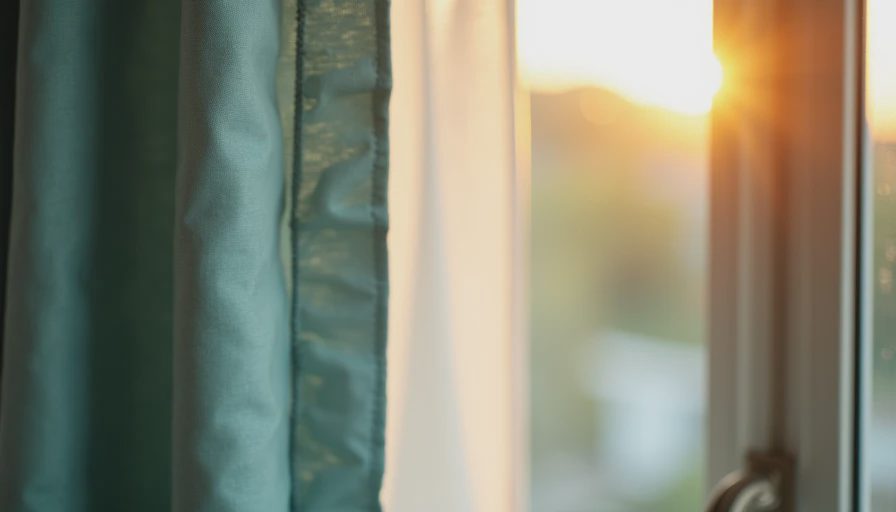
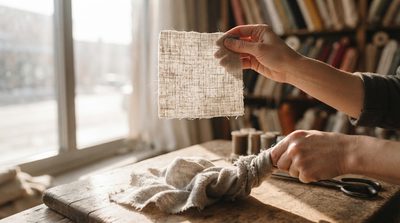
Cotton is comfortable to live with and easy to coordinate, but unlined cotton can fade and lose heat quickly at a cold window. Linen offers texture and a handsome, slightly irregular surface, yet it is not automatically energy efficient. The weave, weight, and lining determine performance more than the fiber name alone. Ask to see the fabric against a bright window instead of judging a swatch under showroom lighting.
The lining is the hidden layer that changes the experience. Standard lining softens daylight and protects the face fabric. Blackout lining uses a coated or tightly constructed layer to reduce light, which is useful in bedrooms but can feel stiff in a living room. Thermal lining adds weight and can reduce the sensation of a cold pane, though it does not repair a failed window seal. Interlining, usually a soft insulating layer between the face and lining, creates fuller folds and better winter comfort. For a drafty older home, lined or interlined panels are usually worth the added cost.
How to evaluate a local curtain maker
When comparing custom made curtains near me, begin with the consultation rather than the showroom photograph. A reliable maker should ask about sun exposure, privacy, pets, children, cleaning, window hardware, and heating equipment. South- and west-facing windows deserve special attention because strong afternoon sun can fade vulnerable dyes. In my own Minneapolis bungalow, a dark wool-look face fabric on a west window needed a protective lining because the color changed noticeably on an unprotected sample.
Ask whether the workroom handles fabrication in-house or sends cutting and sewing elsewhere. Neither arrangement is automatically wrong, but you should know who is responsible for pattern matching, hems, and quality control. Request a sample of the proposed heading. A pinch pleat, ripple fold, rod pocket, and grommet each distribute weight differently. Ripple fold needs compatible carriers and usually creates a modern, even wave. Pinch pleats use more fabric and produce a traditional, structured appearance.
A competent installer should also explain stack-back, which is the amount of wall space the open curtain occupies. Heavy, full panels can cover part of the glass when pushed aside. If daylight is important, specify a wider rod or a split arrangement before fabrication, not after installation.

What custom made curtains cost
Prices vary with fabric, width, lining, labor, hardware, and installation. As a practical planning range, simple custom panels in a budget polyester or cotton blend may land around $300 to $700 per window. Mid-range lined linen blends or textured upholstery-weight fabrics often run $700 to $1,500. Wool, velvet, matched patterns, interlining, and elaborate pleats can push a large window beyond $2,000.
The fabric itself explains much of the spread. A $12-per-yard cloth may use short fibers, a loose weave, or a basic finish. A $120-per-yard textile may use longer fibers, more yarn, a denser construction, superior color control, or a specialty weave. The expensive option is not automatically the right option. Spend first on accurate measuring, a suitable lining, durable construction, and hardware that can carry the finished weight. Save by choosing a simpler heading or a solid fabric instead of paying for a difficult pattern match.
Get the quote broken into fabric, fabrication, lining, hardware, installation, and tax. That makes comparisons meaningful and reveals whether one estimate includes the rod while another does not. A low quote can become less attractive when you add measuring, delivery, and installation afterward.
Measuring before you order
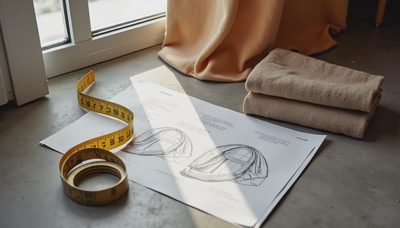
For custom made curtains near me, measuring is the point where an attractive idea becomes a workable order. Measure the window width inside the trim, the outside trim width, and the distance from the intended rod location to the floor. Record the measurement in at least two places because older walls and frames are rarely perfectly square. Use the smallest relevant width when the treatment must fit inside a recess, but use the finished rod width when ordering panels that hang outside the frame.
Decide whether the panels should touch the floor, hover about half an inch above it, or break slightly onto the floor. A puddled hem can look romantic in a formal room but collects dust and complicates vacuuming. Near a radiator, keep fabric safely clear and ask the installer how the panel will move away from heat. Never assume a thermal lining makes a curtain suitable for direct contact with a heater.
Bring photographs of the room and a sketch showing trim, outlets, radiators, and furniture. These details help the maker recommend a rod position that looks balanced and functions properly.
A sensible path to the right treatment
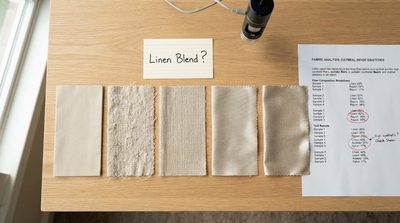
Start by identifying the main problem: glare, privacy, heat loss, noise, or appearance. Then collect three or four fabric swatches and view them morning and evening. Feel the underside, hold each one to the glass, and check whether the color shifts in natural light. Ask for the lining sample beside the face fabric, because a lining can change both the hand and the final color.
Next, compare two local quotes using identical dimensions and specifications. Confirm the finished width, fullness, heading, hem, lining, hardware, installation, and cleaning instructions. A maker who explains these items clearly is easier to work with than one who offers only a total price.
The best custom made curtains near me result is not necessarily the most luxurious fabric. It is the treatment that fits the window, survives the room's daily use, and addresses the climate honestly. Spend on construction and performance where your hand can feel the difference. Then choose the color and texture that make you happy each time you draw the panels closed.
No letters yet — be the first to write.