Solar shades are often sold as a simple answer to harsh sunlight, but the fabric does more than soften a bright room. Run your fingers across a tightly woven sample and then compare it with a loose, airy one. The first feels denser because it blocks more light; the second preserves more of the view. That difference comes from construction, not marketing language. In my Minneapolis bungalow, I use solar shades where glare and summer heat matter, but I do not treat them as a complete winter insulation system. The best choice depends on weave density, openness, color, window orientation, and what you expect the room to do.
How solar shades control light
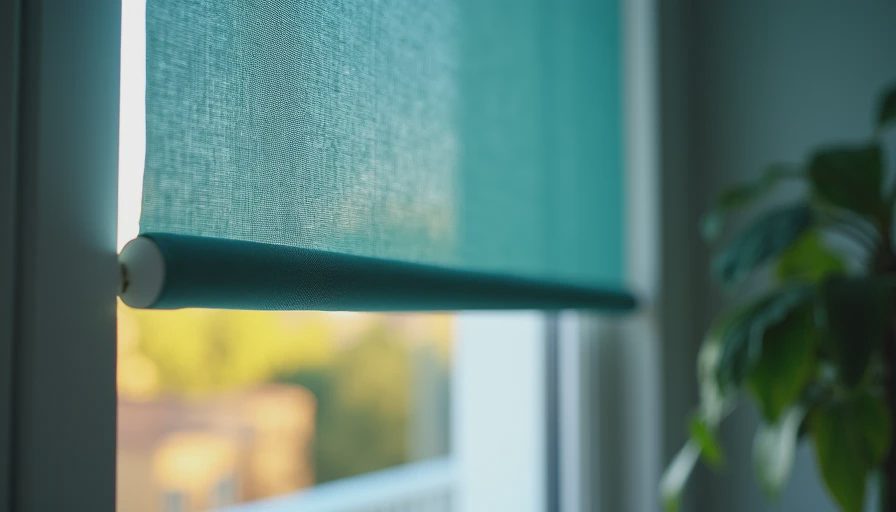
Hold a fabric sample toward a window. You will see that the yarns form a grid, with tiny openings between them. Manufacturers describe that openness as a percentage, such as 1 percent, 3 percent, or 5 percent. A 1 percent fabric has smaller openings and gives stronger glare control, while a 5 percent fabric looks more transparent and keeps the outdoor view clearer.
Solar shades work differently from blackout roller shades. They filter daylight instead of eliminating it. A charcoal or gray fabric can reduce visual glare on a television while still allowing the room to feel naturally lit. A white interior face often reflects more light back into the room, but darker yarns usually provide better view-through contrast. That is why a pale shade is not automatically the most comfortable option.
For a south-facing office, I commonly start by comparing 1 percent and 3 percent openness. The tighter sample is useful when a monitor sits directly opposite the glass. In a dining room, 5 percent may feel more welcoming because faces and trees remain visible through the cloth. The right answer is the one that solves the actual light problem without turning the window into a blank wall.
Privacy changes with the direction of light
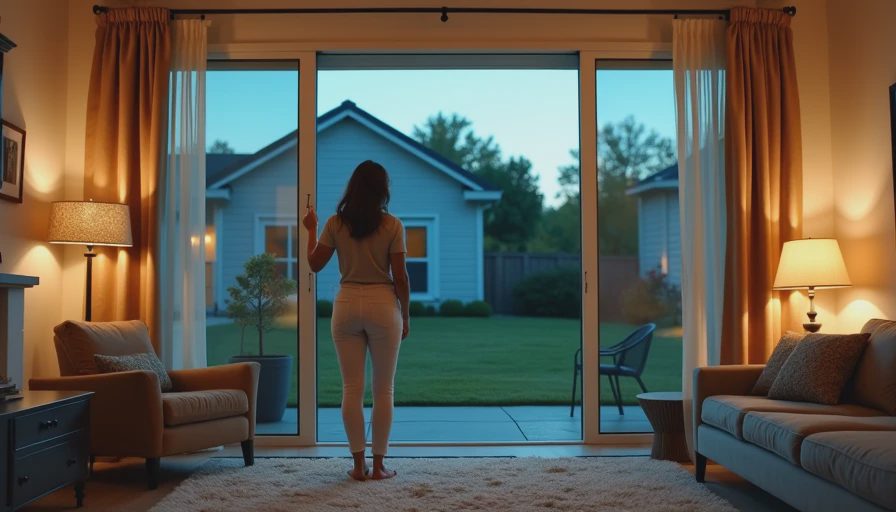
Solar shades provide daytime privacy, but the effect reverses after sunset. When the room is brighter than the outdoors, a passerby may see only a muted interior. At night, lamps and overhead fixtures make the room visible through the same open weave. This is not a defect; it is a predictable result of translucent construction.
For street-facing bedrooms or living rooms, I pair solar shades with lined drapery or a second roller shade. During the day, the screen fabric handles glare and preserves the view. At night, the opaque layer closes for privacy. If you choose a 3 percent fabric and expect complete privacy around the clock, you will probably be disappointed. A sample viewed in a showroom cannot show every condition, so test it against your own window at noon and after dark.
Color also matters. A dark gray shade can make the outside view appear sharper, while a light beige shade tends to scatter light and soften the scene. That visual difference is easy to feel in a large room: dark cloth creates a framed, cinematic view; pale cloth creates a brighter, gentler atmosphere.
Are solar shades insulating?
Solar shades can reduce solar heat gain in warm weather, especially on west-facing glass, but their insulation value is limited compared with cellular shades or lined curtains. The fabric sits close to the window and filters radiation, yet it does not create a deep trapped-air pocket. In January, that distinction matters. A window may still feel cold even when the shade is fully lowered.
The most effective cold-climate arrangement is layered. Mount solar shades inside the frame for clean glare control, then install full-height drapery several inches beyond the window casing. Close the drapes after sunset so their lining and folds create a thicker air barrier. A tightly woven polyester screen fabric can help with comfort, but it should not be described as a substitute for weather sealing, storm windows, or insulated glass.
I pay particular attention to the bottom and side gaps. A shade with a 1-inch gap on each side can leak visible light and reduce privacy, while a side-channel system closes those edges more effectively. Precise measurement is usually worth the extra $50 to $150 over a loose ready-made fit, particularly on a wide bedroom or office window.
Polyester, fiberglass, and the feel of quality
Most solar shades use PVC-coated polyester, fiberglass, or a blend. Polyester feels slightly softer and is available in many textures and colors. Fiberglass often produces a crisp, stable screen with strong dimensional consistency, meaning it is less likely to stretch across a wide opening. PVC-coated constructions can be easy to clean, but they may feel more technical than residential if the texture is very open.
Price differences usually come from yarn quality, coating, width, color stability, control hardware, and finishing. A basic shade might cost $80 to $180 for a smaller window, while a custom shade with premium fabric and a motorized lift can reach $400 to $900 or more. The expensive fabric is not automatically better. Spend first on accurate measurement, a reliable tube and bracket system, and a weave suited to your light. Decorative texture matters after those performance decisions are right.
When inspecting a sample, bend it gently. If the coating cracks, flakes, or feels unusually brittle, I would not put it in a high-sun window. Look at the cut edge too. A clean, stable edge suggests better construction than a cloth that sheds loose filaments immediately.
Choosing solar shades room by room
In a home office, prioritize glare control. A 1 percent or 3 percent openness fabric usually gives a better screen-viewing experience than a wide-open weave. In a kitchen, choose a surface that tolerates occasional wiping and avoid a delicate textured face directly beside the sink. In a bedroom, combine the shade with blackout drapery if sleep quality depends on darkness.
For a living room, 5 percent solar shades can be attractive when the view is part of the architecture. If the room overheats in late afternoon, use a west-facing shade with a darker exterior-facing color or add lined curtains. In a nursery, avoid relying on a chain or cord that can hang within a child’s reach; choose a cordless or motorized operating system designed for the window.
Motorization can add roughly $200 to $600 per shade depending on the system and installation. It is most useful for tall windows, hard-to-reach glass, and coordinated afternoon closing. It is less compelling for a small, hand-operated window beside a sofa.
A practical buying method
Start by observing the window for a full day. Note when glare appears, whether the glass feels cold at night, and whether privacy is needed after sunset. Then order two or three samples in different openness levels and hold them against the glass from inside the room. Compare them with the lights on and off.
Next, decide whether a single layer can do the job. If you need daytime view, evening privacy, and winter comfort, solar shades plus drapery are more realistic than one fabric trying to perform every function. Measure the visible glass, frame, and nearby trim carefully, then follow the manufacturer’s requirements for inside or outside mounting.
Finally, ask for the fabric specification rather than relying on a product name. Look for openness percentage, cleaning instructions, light-fastness information, and the warranty on both cloth and hardware. Solar shades are a smart investment when their limits are understood: they filter glare beautifully, preserve a view, and manage sunlight with a remarkably small amount of fabric. They perform best when the weave is matched to the room and another layer handles the privacy or insulation problem they were never designed to solve.


No letters yet — be the first to write.