The first thing I notice when I handle a curtain rod is not the finish; it is the weight and the way that weight will transfer into the wall. A thin aluminum rod feels light in your hand, while a solid steel or wood rod immediately tells you it needs serious support. That difference is central to curtain rod installation cost. A basic bedroom window can cost $25 to $75 for a do-it-yourself installation, while a professional job often runs $100 to $300 per window. Wide windows, masonry, tall ceilings, and heavy lined drapes push the number higher.
I have spent years looking at window treatments from the fabric outward. The rod is the quiet structural system behind the textile, and it affects how smoothly the curtain opens, whether the heading sags, and how well the fabric seals a chilly window. A cheap installation that pulls loose in January is not a bargain.
What determines curtain rod installation cost
The largest variable is the wall itself. Standard drywall with a wood stud behind it is usually the simplest surface. A handy homeowner can often install brackets with a drill, level, tape measure, and stud finder. If the brackets line up with studs, the hardware may cost only $20 to $80, depending on the rod diameter and finish.
Drywall without a stud requires appropriate anchors. Small plastic anchors are suitable for very light sheers, but they are a poor choice for lined cotton, velvet, or interlined wool curtains. Toggle bolts or heavy-duty self-drilling anchors generally cost a few dollars more and provide better holding power. Plaster walls in older homes can be trickier because drilling may chip the surface. Brick, concrete, and tile require masonry bits and specialized anchors, which can add $50 to $150 in labor.
Window size matters just as much. A 36-inch window may need two brackets and a short rod. A 96-inch living-room window may need three or four brackets, a center support, and a heavier diameter rod to prevent bowing. Bay windows, corner windows, and ceiling-mounted tracks require more measuring and sometimes custom hardware. In those cases, curtain rod installation cost commonly reaches $250 to $600 for a professional installation.
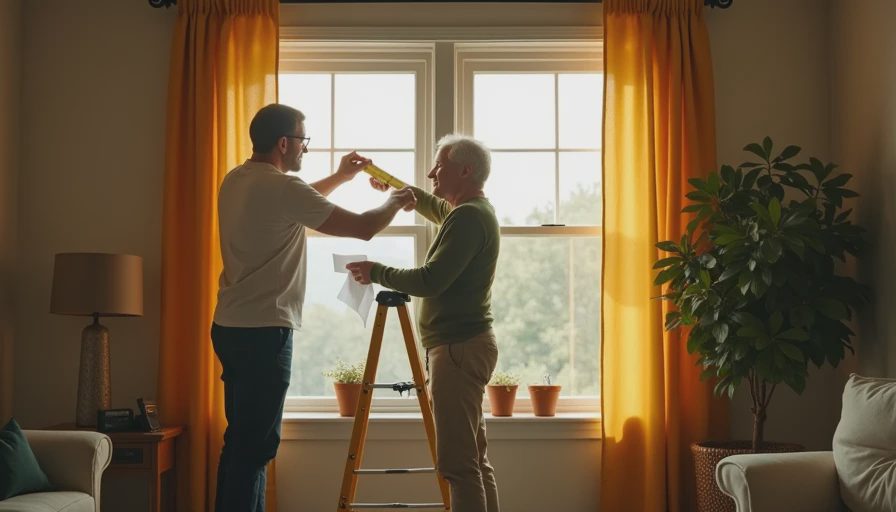
Labor rates vary by region, but many handymen charge either $50 to $100 per hour or a minimum service fee of $100 to $150. A straightforward installation may take 30 to 60 minutes. A large room with six windows, uneven plaster, and heavy drapery can take half a day. Ask whether the estimate includes measuring, hardware, removal of an old rod, patching abandoned holes, and cleanup. Those details are where an apparently low quote can expand.
DIY versus professional installation
DIY is sensible when the window is accessible, the rod is lightweight, and you can identify a secure mounting point. For example, a small living-room window with polyester sheers might require $35 for a rod, $12 for anchors, and an hour of your time. Your total curtain rod installation cost could stay under $60.
Professional help becomes more valuable when the curtains are expensive or physically heavy. A pair of full-length blackout panels may weigh 12 to 20 pounds before repeated opening and closing creates additional pull on the brackets. If you are mounting above a stairwell, working near a tall ceiling, or drilling into masonry, the risk of a crooked or insecure result is greater than the labor charge. A professional can also use a laser level and install a center support at the correct position.
There is a fabric reason to care about accuracy. A rod that slopes even slightly makes pleated headings drift toward one side. The fabric then bunches unevenly, exposing glass at the edge and allowing cold air to pool near the window. On a wide rod, a difference of only a quarter inch between brackets can be visible in the top line. Paying for careful layout often protects the appearance of a costly textile.
Hardware choices that change the price
Touch a hollow metal rod and then a solid wood or steel rod; the second feels denser because it contains more material and resists bending better. Telescoping rods are convenient because they adjust to different widths, but the overlapping section can create a visible ridge and a weak point under heavy drapes. A fixed-length rod costs more to measure and select, yet it often performs better.
Decorative finials, rings, traverse systems, and return brackets also affect the budget. A simple rod-and-bracket set may cost $25 to $100. Midrange systems from retailers such as IKEA, West Elm, or The Home Depot can range from roughly $40 to $200, depending on length and material. Custom metalwork or a high-end track system can exceed $500 before installation.
For cold climates, I pay special attention to the rod’s projection from the wall. A curtain that sits too close to the glass cannot form a useful insulating air space, while one mounted too far out may leak warmth around its sides. A return bracket that wraps the fabric toward the wall can reduce side gaps. That small hardware upgrade may do more for comfort than spending extra on a shiny finish.
How to estimate your project before calling
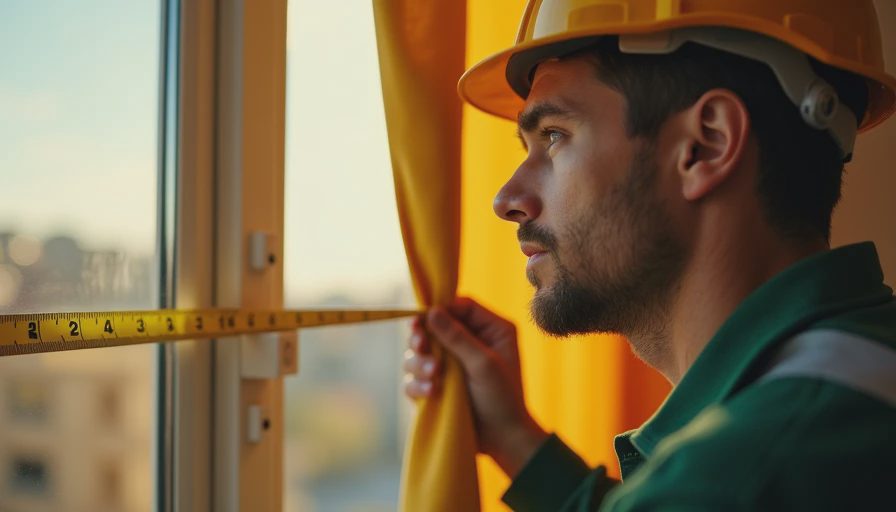
Start by measuring the window opening, then measure the available wall width on both sides. For most stationary curtains, the rod should extend several inches beyond the frame so the panels can stack beside the glass rather than covering it. If the fabric is thick, allow more stack-back space. Record ceiling height, radiator location, trim depth, and the position of nearby outlets or furniture.
Next, weigh or estimate the curtain panels. A sheer panel is light; lined linen, velvet, and wool-blend drapes are substantially heavier. Include the rod, rings, and tiebacks in your estimate. If a manufacturer lists a maximum load, treat it as a limit, not a target. A center bracket is inexpensive insurance on a wide window.
A realistic budget might look like this: $45 for a basic rod, $20 for anchors, and $10 for a level if you already own a drill. A professional version might include $90 in hardware, $150 in labor, and $25 to remove an old system. For two large windows, the combined curtain rod installation cost could land between $300 and $700, especially if the installer supplies premium brackets.
Ways to spend less without sacrificing performance
The best savings usually come from preparation, not from buying the thinnest rod. Remove old hardware, fill unused holes, and clear the work area before the installer arrives. Confirm the final curtain dimensions before purchasing a rod, since a return or exchange can cost more than a sturdier support.
Use attractive finials where they will be visible, but choose plain structural brackets where the fabric hides them. Spend on load capacity, accurate mounting, and a smooth opening mechanism before paying for decorative details. If several windows use the same rod style, buying a matching set may reduce the per-window price.
For renters, tension rods avoid drilling, but they are best for lightweight curtains and narrow openings. They can bow or slip under lined panels, particularly when humidity and temperature change. A removable adhesive hook may work for a very light café curtain, but it should not support a heavy blackout panel over a bed or radiator.
When a higher quote is worthwhile
A low bid is not automatically a good bid. Ask how the installer will locate studs, what anchors will be used, and whether the quoted price covers a center support. Also ask who is responsible if a bracket pulls out and damages the wall. Clear answers are more useful than a vague promise to “hang the curtains.”
Higher curtain rod installation cost is justified when the job includes custom measurements, plaster repair, tall-ladder work, masonry drilling, or a heavy traverse rod. It is also worthwhile when the curtains are made from silk, wool, or a carefully balanced linen weave that you do not want crushed or dragged across the floor. The right installation lets the fabric hang naturally, keeps the window treatment functional, and helps preserve the thermal comfort you bought it to provide.
Before booking, collect two or three written estimates with hardware, labor, and expected duration listed separately. Then compare the actual system being installed, not just the headline price. A secure rod, correctly spaced from the glass, is the foundation of a curtain that looks better and performs better for years.


No letters yet — be the first to write.