When you are researching the cost to hem curtains, the number on a tailor's estimate is only part of the story. A straight cotton panel is simple to shorten; a lined velvet drape with blackout backing is a different engineering problem. The fabric's weight, weave, lining, pleats, and existing bottom finish all affect the labor. I have handled thousands of window-treatment fabrics, and the difference is usually visible before a sewing machine ever starts: feel the limp edge of a sheer, then the dense, boardlike edge of a thermal drape. They need different work.
For most residential projects, a professional hem costs roughly $15 to $40 per panel for an uncomplicated curtain. A lined or unusually wide panel commonly runs $30 to $75, while pinch-pleated, blackout, velvet, or custom drapery can reach $80 to $150 or more per panel. Local labor rates, minimum charges, and whether the panels need pressing can move the total substantially.
What determines the cost to hem curtains?
The first factor is construction. A lightweight cotton or polyester panel with a simple three-inch double-fold hem is predictable. The sewer trims the fabric, folds the bottom twice, presses the fold, and stitches it securely. A professional may finish two standard panels in an hour or less, assuming the curtains are clean and relatively square.
Lining adds time because the face fabric and lining must hang together without one layer pulling the other upward. Blackout lining is especially dense and can have a rubbery coating that resists a hot iron. Thermal interlining, which is a soft insulating layer placed between face fabric and lining, adds bulk and requires careful alignment. The cost to hem curtains rises because the worker is really shortening several connected layers, not one piece of cloth.
Width matters as well. A 50-inch-wide panel is manageable on a household cutting table. A 120-inch-wide velvet panel can drag on the floor and require more space, pressing, and handling. Extra fullness, such as curtains made at two-and-a-half times the rod width, does not necessarily make the hem longer, but it can make positioning and pressing slower.
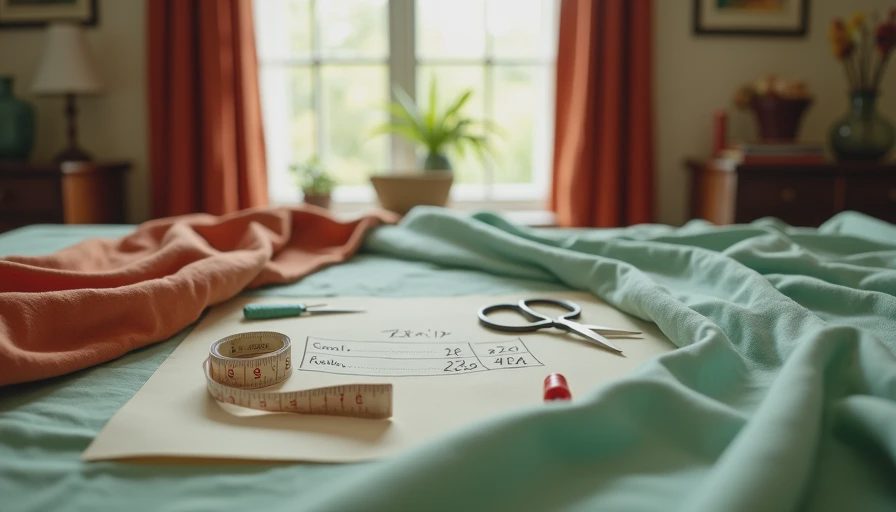
Fabric type changes the work
Run your fingers across linen and then across polyester satin. Linen has a dry, slightly irregular surface and can relax or stretch along the grain. Satin feels smooth and reflects light, so every uneven stitch can show. These sensory differences predict the sewing risk.
Sheers, including voile and lightweight polyester, are inexpensive to hem in material terms but unforgiving in execution. A narrow rolled hem may be appropriate, yet it requires a specialized foot or careful tension adjustment. Pull the thread too tightly and the bottom edge puckers. For sheers, the cost to hem curtains often falls between $20 and $45 per panel, depending on the finish.
Velvet brings another concern: pile direction. Pile is the tiny raised surface that gives velvet its depth and hand. If one panel is turned or handled incorrectly, the color can look lighter or darker than its mate. Velvet also shows pressure marks, so pressing must be done from the wrong side over a protective cloth. Paying an extra $20 to $50 per panel for experienced handling is sensible here.
Printed fabric creates a different visual test. If the print has horizontal stripes, the hem must follow the pattern even if the fabric edge is slightly off grain. With a large floral, a sewer may need to preserve the repeat so both panels finish at a visually matching point. That planning is part of the quote, not needless decoration.
DIY versus professional hemming
A do-it-yourself hem can cost $10 to $30 for thread, pins, a measuring tape, and fusible hem tape. A basic sewing machine lowers the per-panel expense, but tools do not remove the need for accurate measurement. Hang the curtains first, let them settle for at least a day, and mark the finished length from the floor or sill. Measure at several points because floors and rods are rarely perfectly level.
For a washable cotton panel, DIY work can be rewarding. Wash and dry the fabric according to its care label before measuring; cotton can shrink, and linen can change length after moisture and heat. Use a long ruler or a chalk line, then make the fold at the same distance from the floor across the entire panel. Pressing is not optional. A crisp fold controls the stitch line and gives the bottom enough weight to hang cleanly.
Hem tape is convenient, but it is not equally reliable for every fabric. It can work on a light, stable polyester panel, yet repeated washing or the heat from a sunny window can weaken some adhesive bonds. On heavy lined drapery, machine stitching is usually the durable choice. If the curtain is expensive, slippery, patterned, or already lined, the cost to hem curtains professionally is often cheaper than replacing a damaged panel.
Measuring for a clean result
Measure from the actual installation point, not from a catalog specification. A curtain hung from rings may sit one inch lower than a rod-pocket panel. A curtain on a traverse rod can have hooks positioned differently from a grommet panel. Decide whether the bottom should barely kiss the floor, hover about half an inch above it, or pool slightly. In a cold climate, I generally prefer a controlled break or near-floor finish rather than a puddle that collects dust and catches on heating registers.
Mark the desired finished length on both panels, then compare them side by side. Do not assume the manufacturer cut them identically. Ready-made curtains can differ by an inch or more, especially after laundering. The cost to hem curtains should include matching the pair visually, even if that means one panel loses more fabric than the other.
A tailor may ask whether you want the original bottom hem preserved. Removing and reusing a factory hem can save fabric and retain a weighted edge, but it takes more unpicking and pressing. A new double-fold hem is often cleaner, particularly when the old stitch holes remain visible.

Hidden costs and useful savings
Ask whether the quote includes pickup, pressing, lining adjustment, and removal of old stitches. Some alteration shops have a minimum order of $25 to $50, making one inexpensive panel less economical than bringing several pieces at once. A local dry cleaner may offer basic alterations, while a workroom specializing in drapery is better equipped for wide, lined, or interlined treatments.
You can reduce labor without compromising the finish by washing or vacuuming the curtains first, removing hooks and rings, and bringing the panels folded neatly. Do not cut the fabric before getting a professional quote. Once trimmed, there is no safe way to restore an extra two inches. If the curtains are only slightly long, a hidden hem adjustment at the top may be possible, but that can alter the heading and change how the fabric hangs.
For renters, temporary options such as clip rings or a lower rod position may solve a short-term problem. They do not replace a proper hem when the fabric drags, blocks a radiator, or creates a trip hazard. A well-finished edge also keeps the curtain from absorbing floor dust and helps the panel stack consistently when opened.
Is the price worth paying?
The answer depends on the fabric and the consequence of a mistake. Spending $25 to hem a $35 polyester panel may not make financial sense if a replacement costs the same. Spending $90 to finish a pair of wool-blend, lined drapes that cost $600 is a different calculation. You are paying for straight grain, matched lengths, controlled shrinkage, and a hem that supports the fabric rather than distorting it.
As a practical benchmark, the cost to hem curtains is reasonable when it stays near 20 to 30 percent of the curtains' purchase price and the result solves a real performance problem. A properly shortened panel can clear a steam radiator, reduce dust at the floor, and improve the visual seal around a cold window. That matters more than chasing the lowest alteration quote.
Before approving the work, ask for the finished measurement, hem style, expected turnaround, and whether the shop has handled your fabric type. Bring a photo of the installed rod and window if possible. With those details settled, you can compare estimates fairly and choose a finish that respects both your budget and the cloth.



No letters yet — be the first to write.