The cost of curtains can look confusing because two panels of similar size might sell for $35 or $350. Hold them side by side and the reason becomes clearer: one may feel thin and papery, while the other has a dense weave, a substantial lining, and folds that fall cleanly. The cost of curtains is not determined by color alone. Fiber, construction, dimensions, lining, hardware, and labor all affect the final number.
I have spent years reading fabric specifications and testing window treatments in real rooms, including cold Minneapolis houses with drafty double-hung windows. My goal here is not to push the most expensive option. It is to show where your money improves warmth, light control, privacy, and lifespan, and where a lower-cost choice is perfectly sensible.
Typical price ranges by curtain type
For ready-made curtains, expect roughly $20 to $80 per panel at large retailers. Basic polyester panels commonly sit near the lower end, while heavier blackout, linen-look, or textured options often cost $40 to $120 per panel. Remember that a pair requires two panels, and a wide window may need four for attractive fullness.
The cost of curtains rises substantially with custom sizing. A made-to-measure pair often costs $300 to $900, including fabric and basic sewing. Premium linen, wool blends, silk, or complex pleats can push the total beyond $1,200. Installation may add $100 to $400 depending on the number of windows, rod type, and access.
At the budget end, you might cover one bedroom window for $60 to $150 using ready-made panels and a simple rod. A whole living room with three windows could cost $250 to $700. A professionally specified treatment with lined panels, sturdy hardware, and installation can easily reach $1,500 to $3,000. Those ranges sound broad because window treatments are part textile and part construction project.
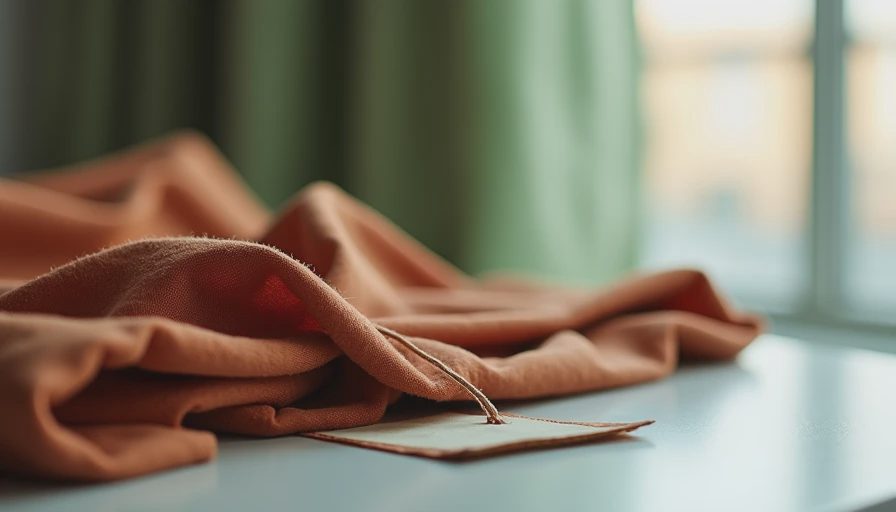
The cost of curtains also depends on how much fabric is required. A panel that is 50 inches wide may look acceptable when closed, but it can appear skimpy when drawn open. For a fuller appearance, designers often use 1.5 to 2.5 times the window width in fabric. More width means more yardage, more seams, and a higher sewing bill.
Fiber and weave explain the price
Touch a lightweight polyester voile and then a tightly woven cotton-linen blend. The first feels cool, slippery, and almost weightless; sunlight passes through easily. The second feels drier and more substantial, with a surface that resists collapsing into a limp sheet. That difference comes from fiber and weave, and it explains much of the cost of curtains.
Polyester is popular because it is affordable, colorfast, and relatively resistant to wrinkles. A well-made polyester jacquard can perform better than poorly woven linen. Cotton gives a soft, familiar hand but can shrink or fade without proper finishing. Linen has attractive texture and breathability, yet it wrinkles by nature and usually costs more because the fiber and yarn preparation are more labor-intensive.
Wool blends are less common in everyday curtains, but even a small percentage can add body and insulation. Silk has beautiful luster and drape, but direct sunlight can damage it, so it needs protective lining and careful placement. In a sunny room, spending more on fiber without spending on lining is often false economy.
Weave density matters too. Hold a swatch toward a window. If you can see the light as a uniform glow, the fabric has limited privacy and light-blocking ability. If the yarns form a dense, even field, it will usually hang with more authority and reduce visual exposure. A decorative fabric is not automatically an insulating fabric, but density is a useful first clue.
Lining is where performance money goes
A curtain lining is a separate fabric sewn behind the face fabric. Standard lining softens incoming light and protects the front textile from ultraviolet exposure. Blackout lining adds a coated or tightly constructed layer that blocks much more light, useful in bedrooms, nurseries, and media rooms.
For cold climates, thermal performance comes from the complete window system, not a marketing label. A lined curtain that reaches from near the ceiling to below the sill can reduce drafts moving across the room and make the space feel more comfortable. It does not replace weatherstripping or insulation, but it can make a noticeable difference beside cold glass.
The cost of curtains with quality lining may be $40 to $150 higher per pair than an unlined version. I consider that money well spent for west-facing rooms, bedrooms, and older windows. For a rarely used decorative window, an unlined linen-look panel may be enough. The right choice depends on exposure and function rather than a universal idea of quality.
Hardware and installation are part of the budget
A curtain cannot perform well if the rod bends, the brackets pull out, or the panels stop short of the floor. A basic telescoping rod may cost $20 to $60. A heavier steel or wood rod with reliable brackets often costs $80 to $250 per window. Traverse rods, which let panels open with a cord or wand, add mechanical parts and installation time.
Mounting the rod several inches above the window frame and extending it beyond the sides allows more glass to remain uncovered when the curtains are open. For warmth, mounting close to the ceiling and letting panels reach the floor reduces gaps where air can circulate. Avoid placing fabric directly over a steam radiator; maintain safe clearance and do not block heat circulation.
The cost of curtains is easy to underestimate when a retailer lists only the fabric panel. Add rings, hooks, finials, brackets, measuring, sewing, delivery, and installation before comparing quotes. A $400 custom order may be better value than a $250 package that needs replacement hardware and alterations.
How to spend money wisely
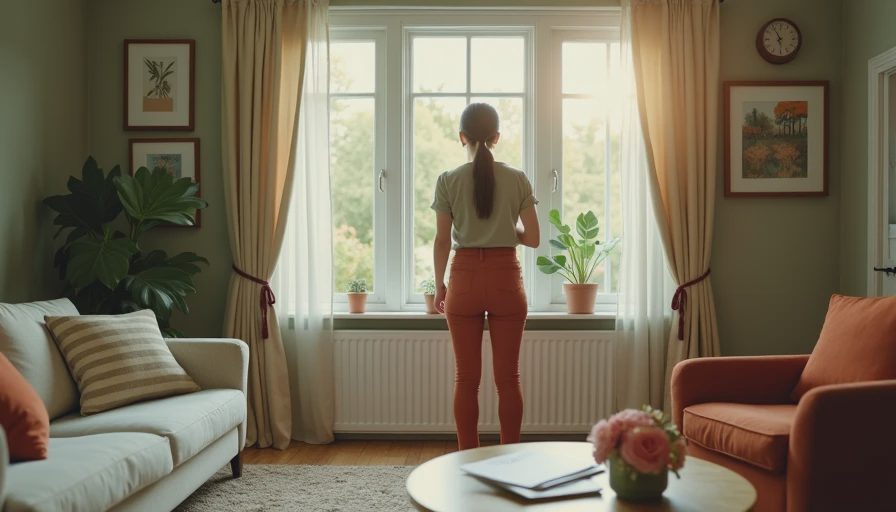
Start by measuring the finished width and height you want, not just the glass. Record the inside width of the trim, the distance from the floor to the ceiling or intended rod position, and the location of radiators, outlets, and furniture. Then decide whether the treatment needs privacy, darkness, insulation, or simply color and softness.
For a bedroom in a cold region, I would prioritize full-length panels, a dense weave, and blackout or insulated lining. For a dining room with moderate light, a cotton-polyester blend with standard lining may deliver the look without the premium. In a rental, ready-made panels with clip rings can offer a respectable result without drilling elaborate hardware.
When comparing the cost of curtains, compare usable coverage rather than package price. A $70 pair measuring 84 inches long may not work on a tall window, while a $110 pair measuring 96 inches could require no alteration. Also inspect the top construction. Back tabs are inexpensive but can drag on a rod; sewn-in rings or a tailored heading usually move more smoothly and create cleaner folds.
A practical buying example
Imagine a 60-inch-wide living-room window. Two 50-inch panels provide only modest fullness. Four panels create a richer look and allow the window to close fully, but they double the fabric expense. A realistic budget might include $180 for four lined panels, $120 for a sturdy rod and brackets, and $100 for installation, bringing the project to about $400.
A custom version using linen blend could cost $650 for fabric and sewing, $150 for hardware, and $150 for installation. The extra $550 buys exact length, better proportion, more controlled folds, and potentially a longer service life. It does not automatically buy better insulation; that depends primarily on lining, coverage, and how closely the treatment fits the window.
In my own house, I save on decorative rooms and spend on windows where winter comfort matters. That approach keeps the cost of curtains connected to a measurable job. Choose the fabric with your hand, test it against daylight, inspect the lining, and price the entire installation. Once you understand what each layer does, the number on the tag becomes much easier to judge.



No letters yet — be the first to write.